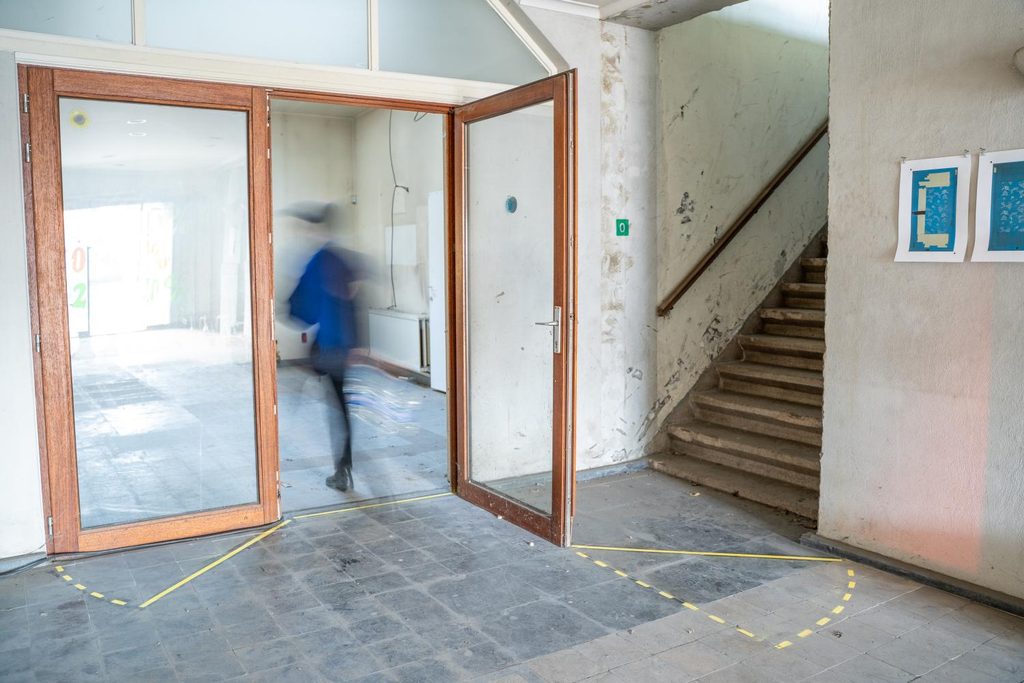
Doubled double door
About a building, a bus stop, some doors and a whole bunch of ghosts.
Border Buda Closure (scroll down for the full programme)
Friday 5 December 2025
4 pm – 10 pm
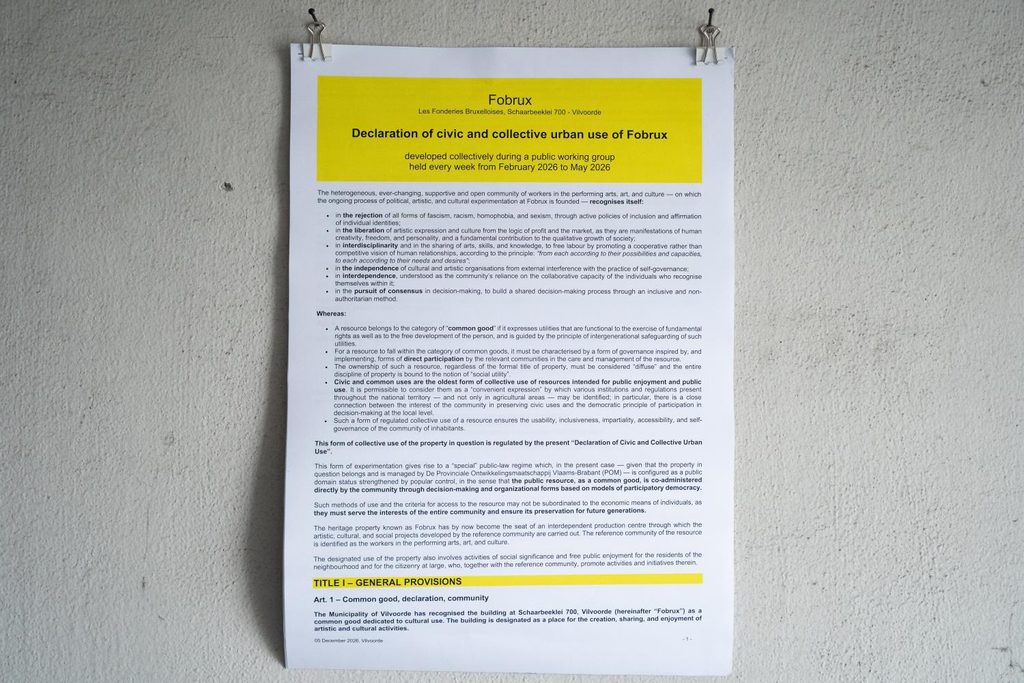
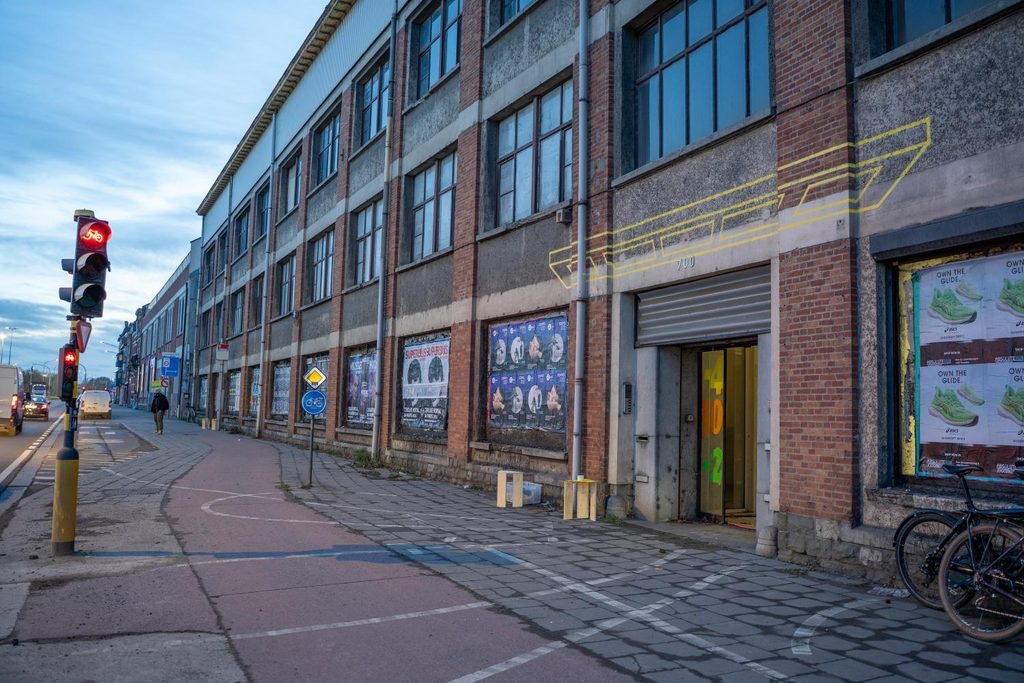
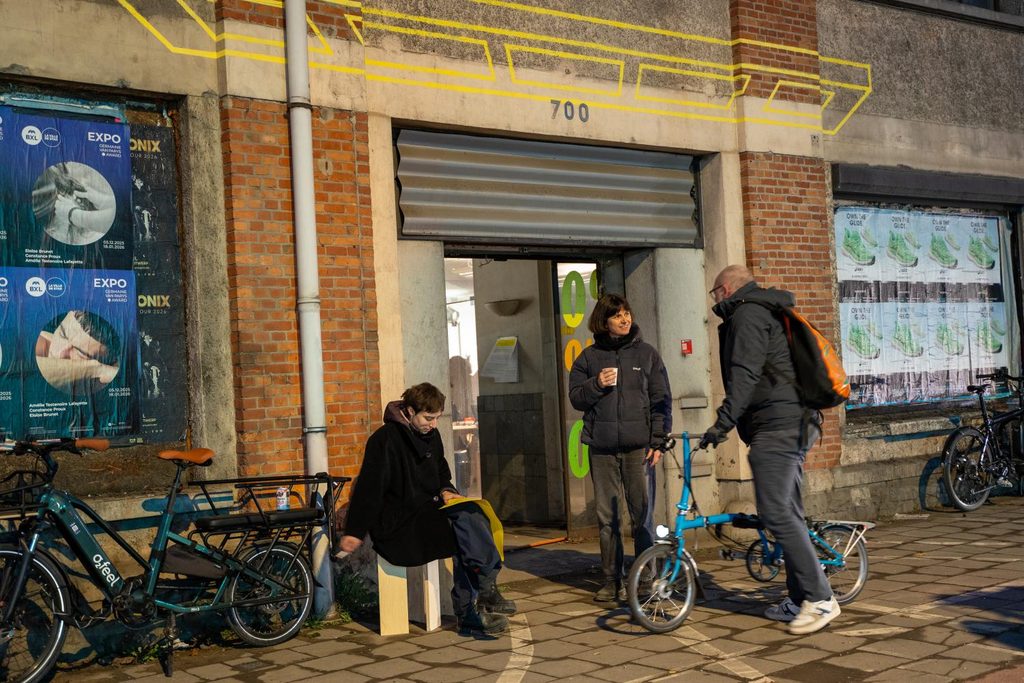
Fobrux, Schaarbeeklei 700 Vilvoorde
In an outskirt like Buda, where many work hard to remain unseen, back doors are generally preferred over front doors. But even ghosts like to meet up every now and then. Where to find each other without relinquishing who they are?
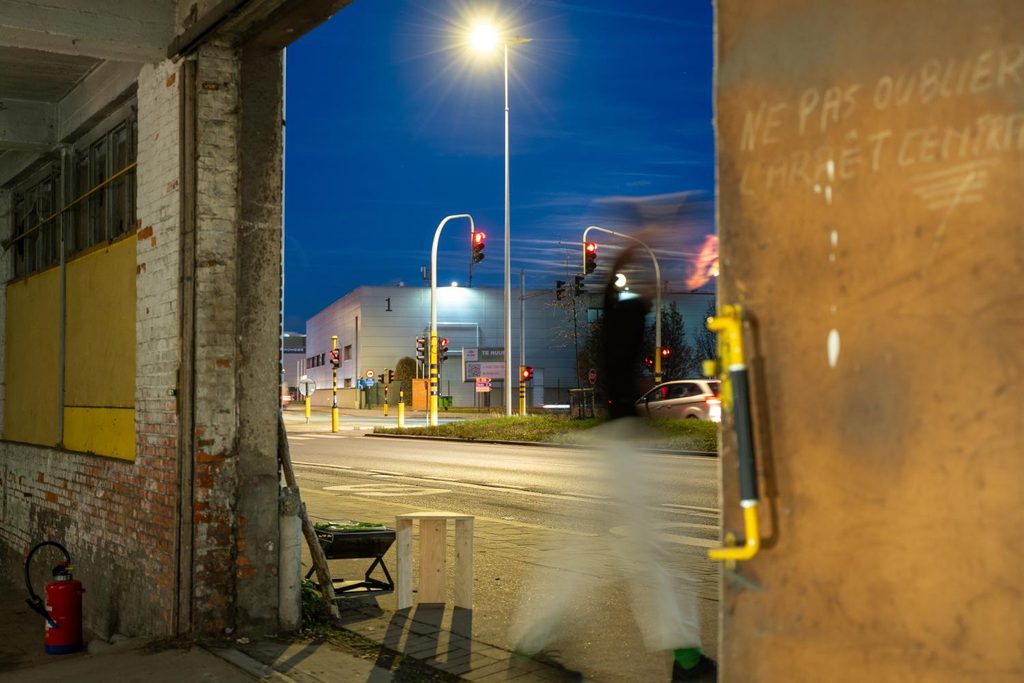
It is not easy to ‘arrive’ in Buda’s vast landscape of factory facades, closed warehouses, large-scale infrastructures and bewildered in-betweens. There is no shortage of traffic though—with buses, trains, boats, cars and trucks cutting through the area— but where to actually land?
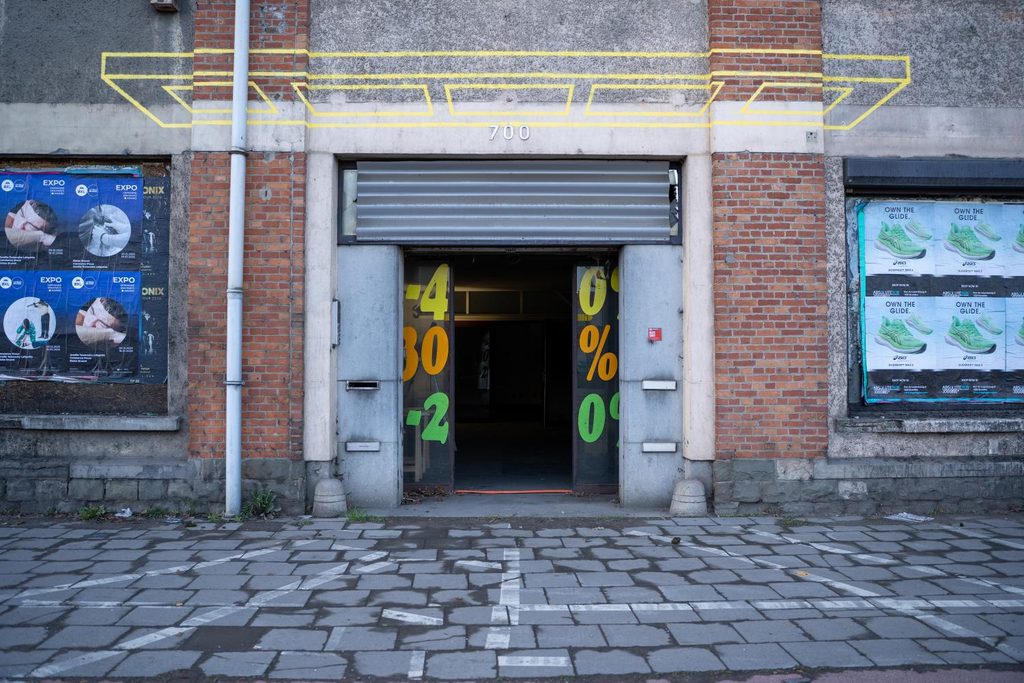
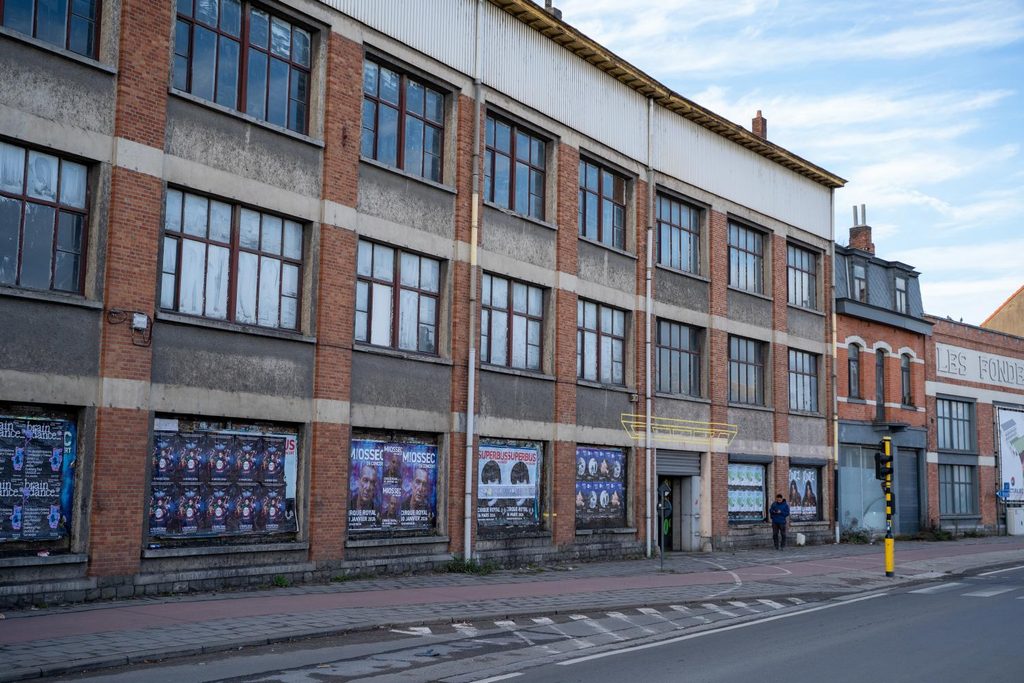
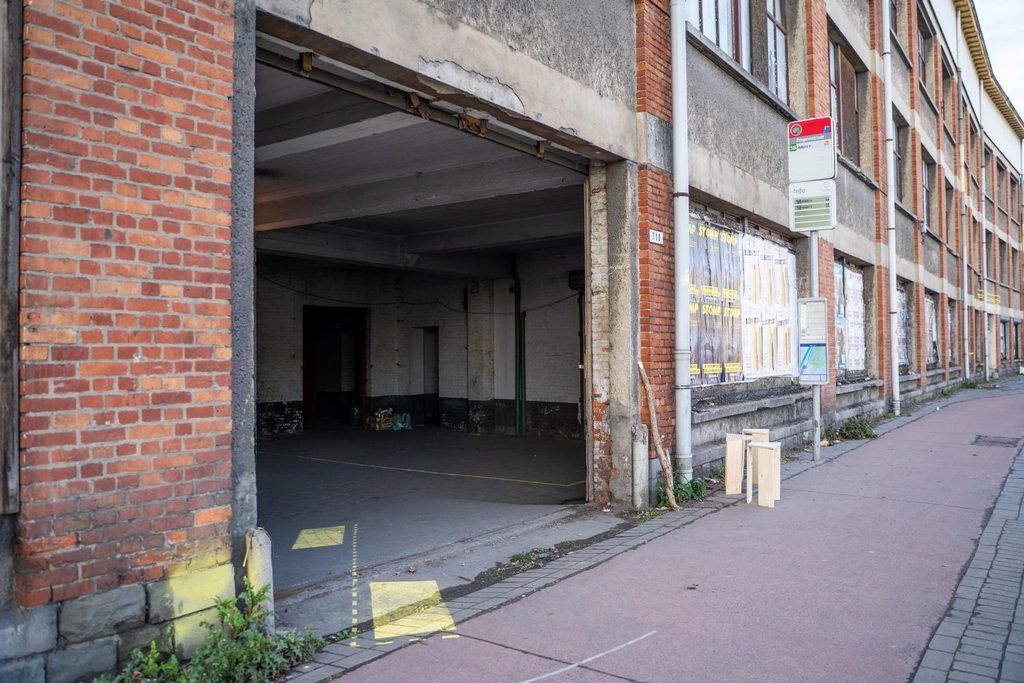
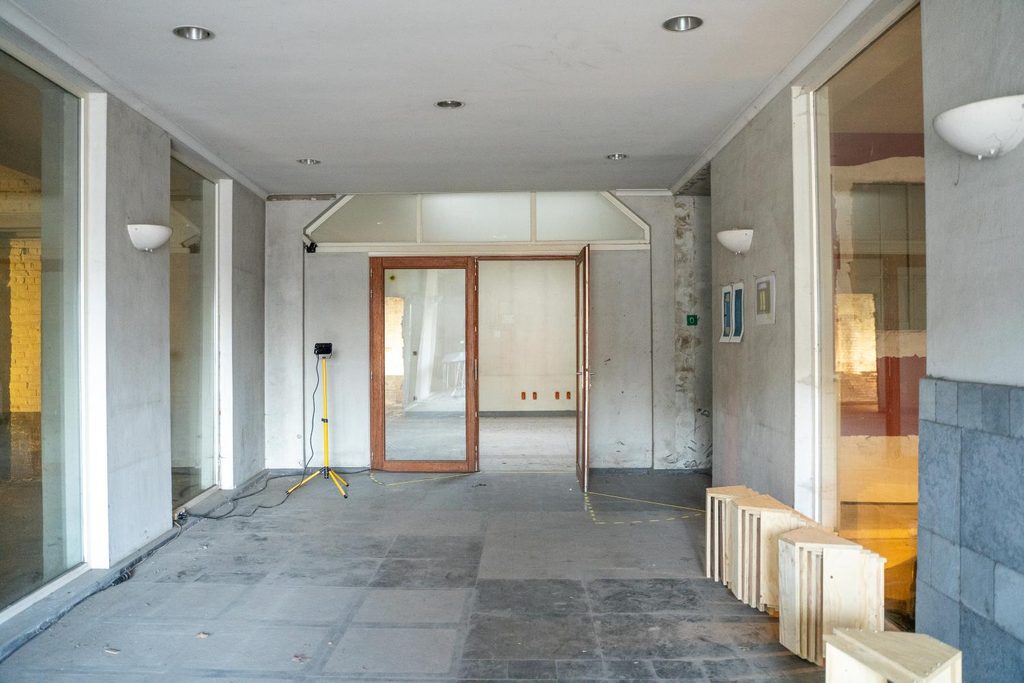
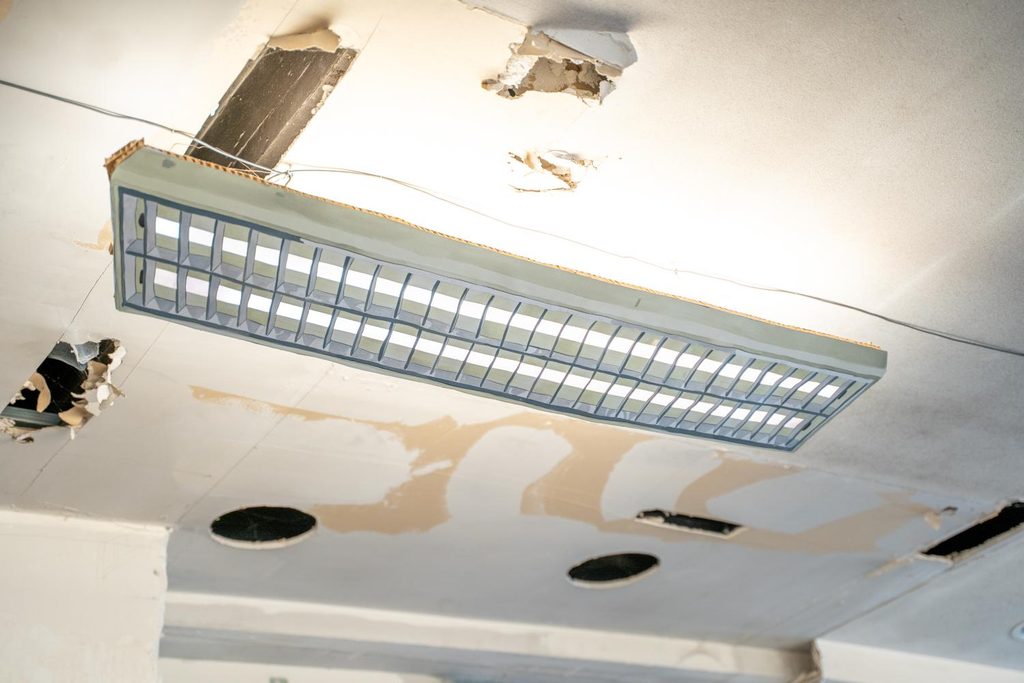
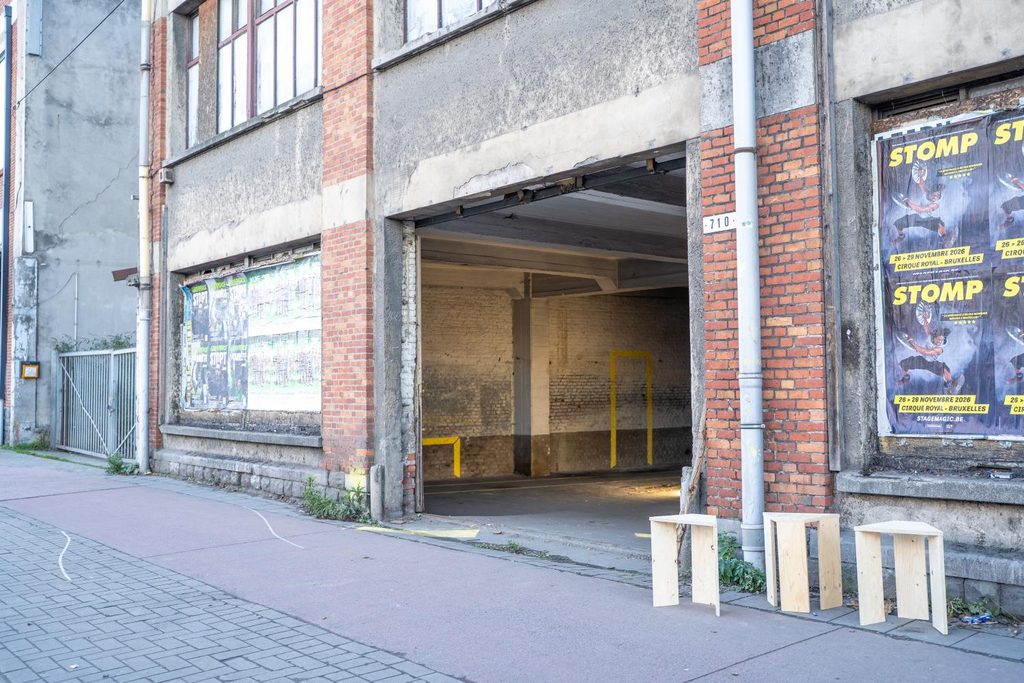
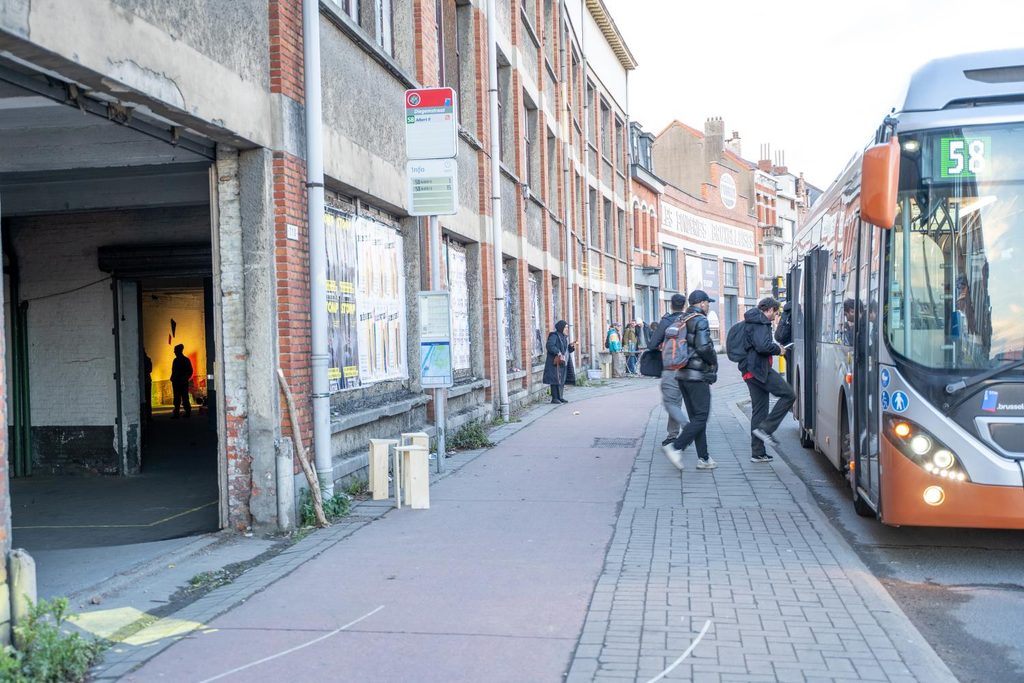
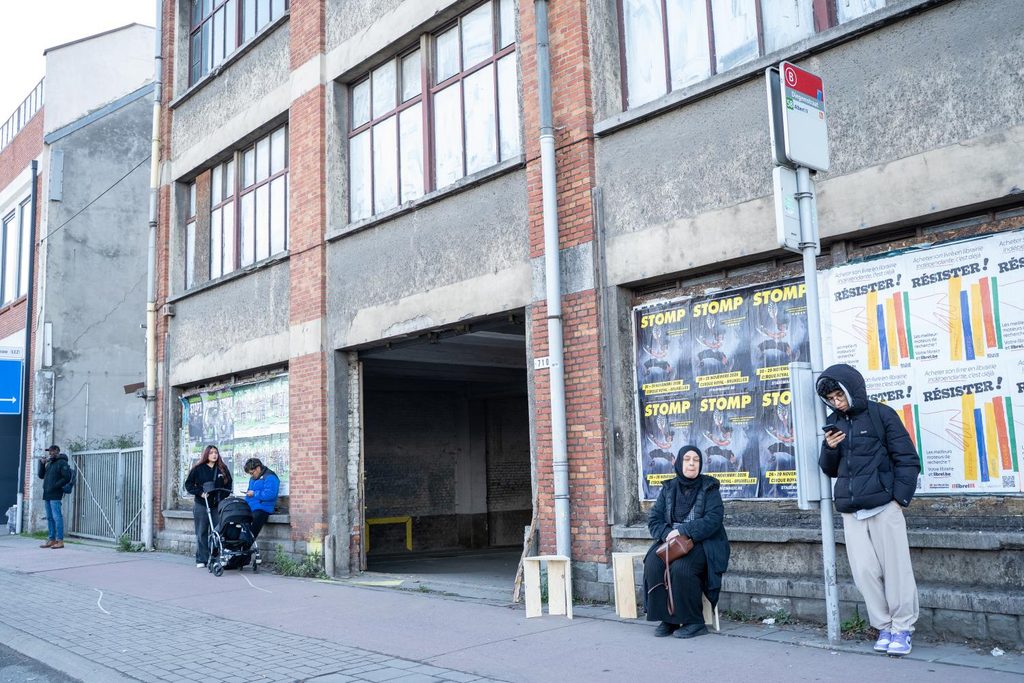
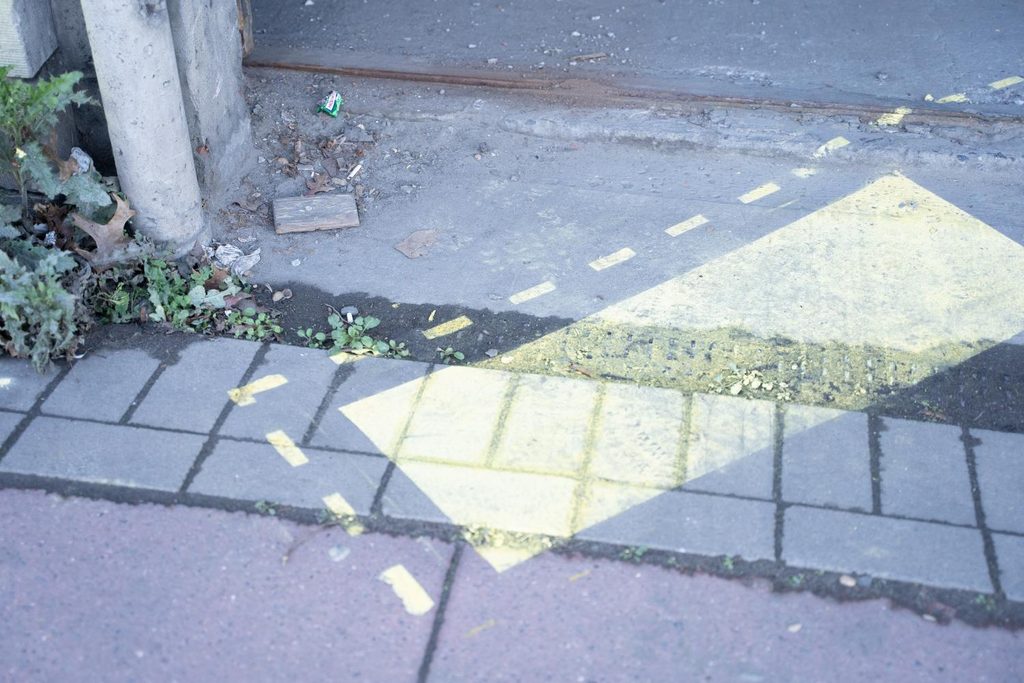
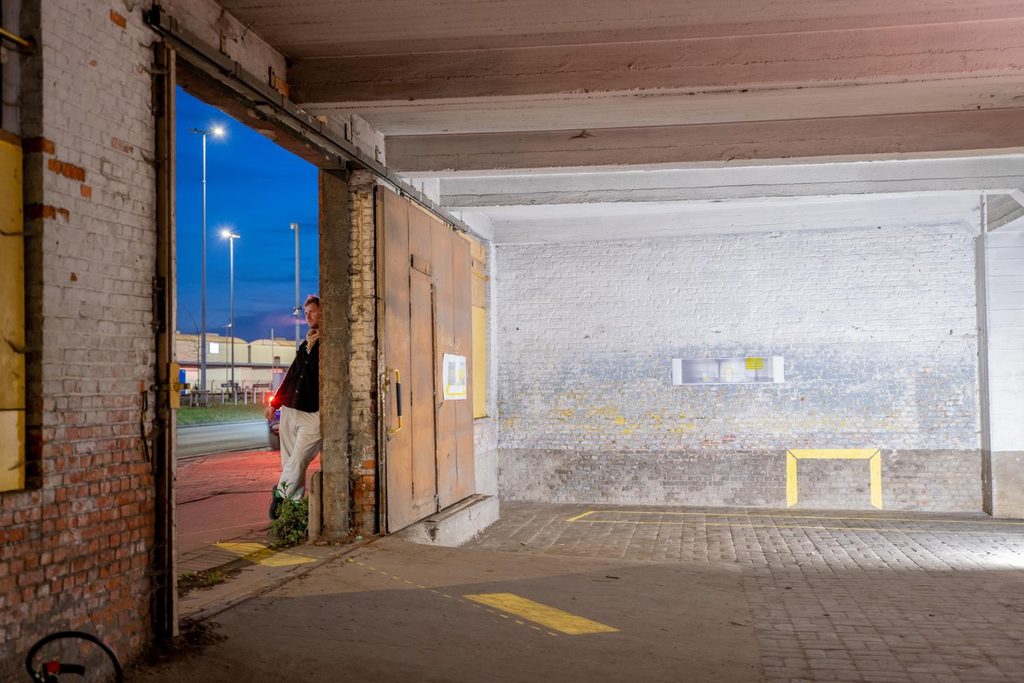
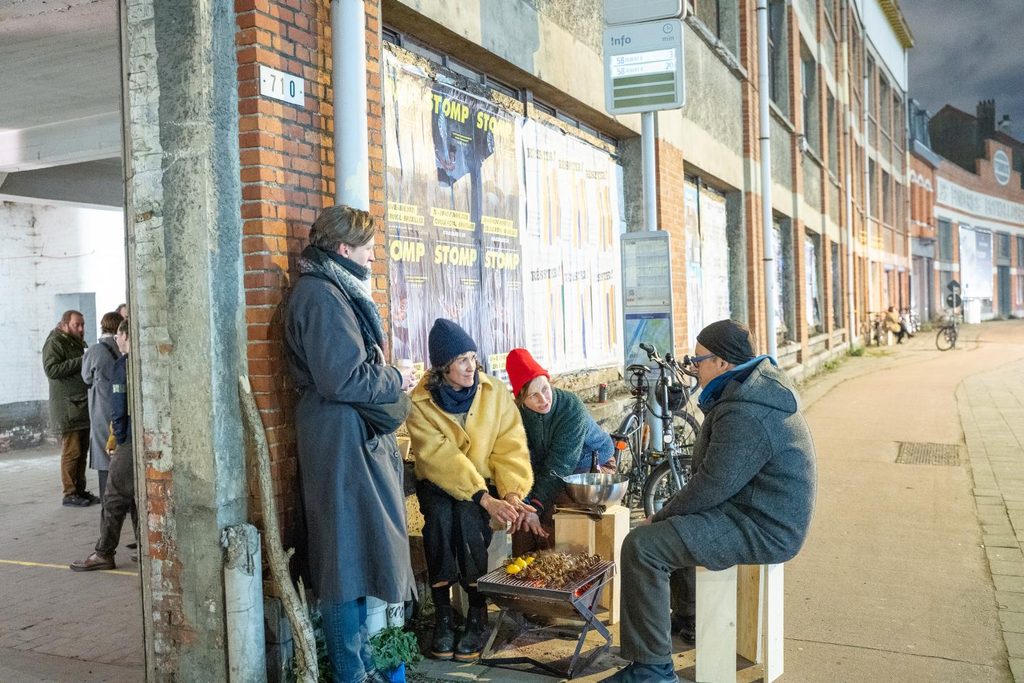
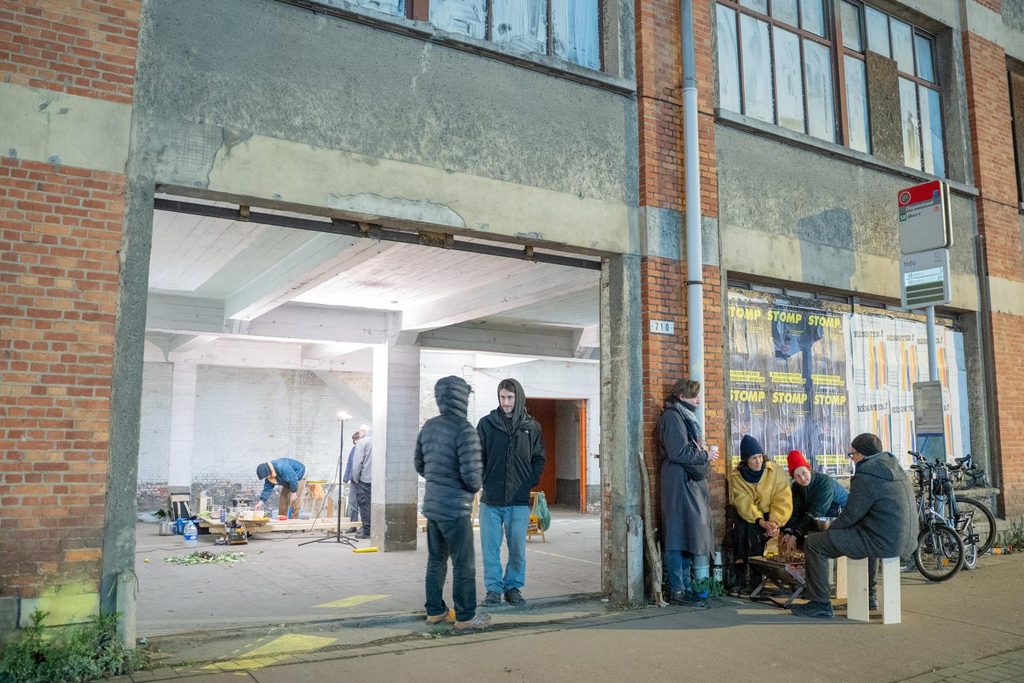
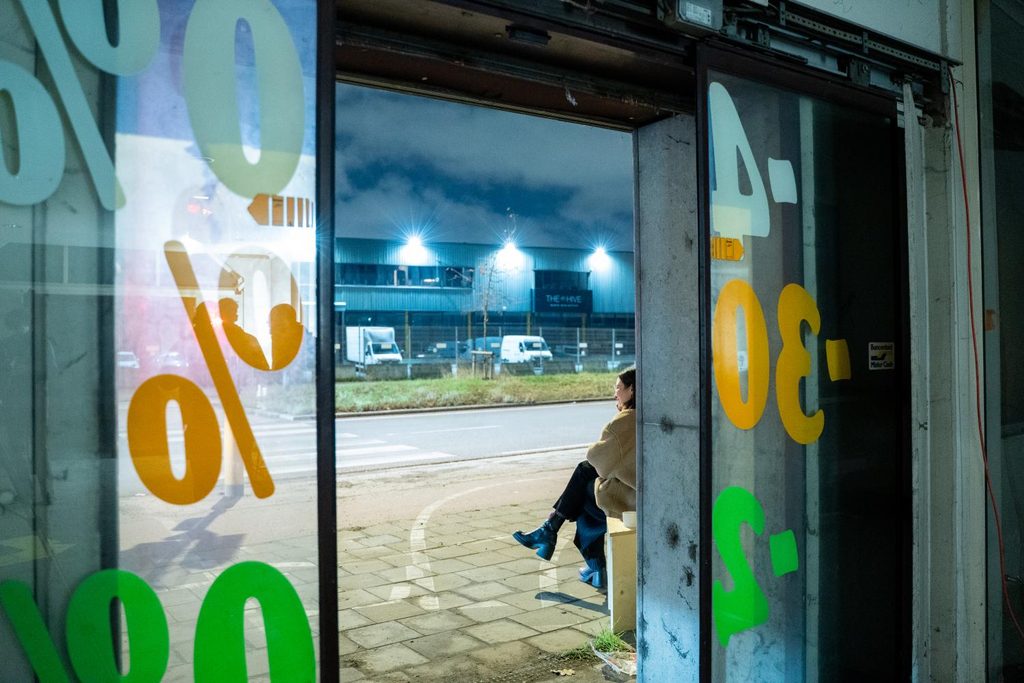
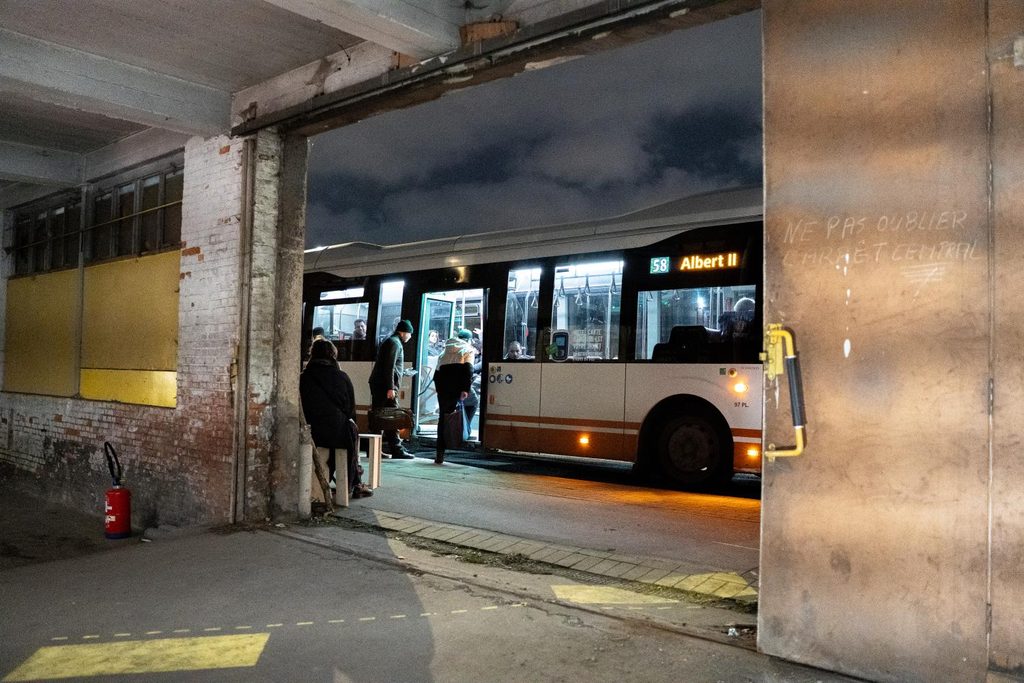
A few people lean casually against the façade of the Fonderies Bruxelloises (Fobrux) as they wait for the bus. Do they know that this bus stop also served the iconic tram that carried thousands of workers into Buda from as early as 1908? Following Buda’s factories—once thriving and pivotal to Brussels’ industrial development—the tram’s fate was sealed by the 1990s. Fobrux—a former cast-iron foundry that produced cooking stoves and heaters—closed its doors in 1970 and, aside from a temporary stint as a tile shop and the sale of some of its warehouses as storages, the four-storey-building stood empty since, even after it was purchased by the province of Vlaams-Brabant a few years ago.
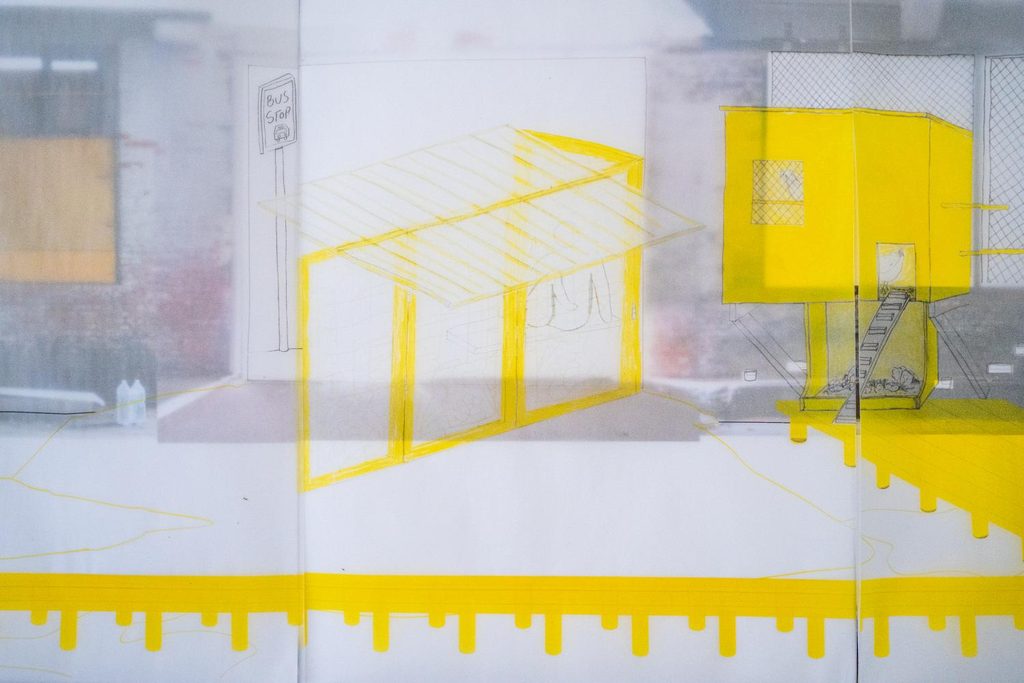
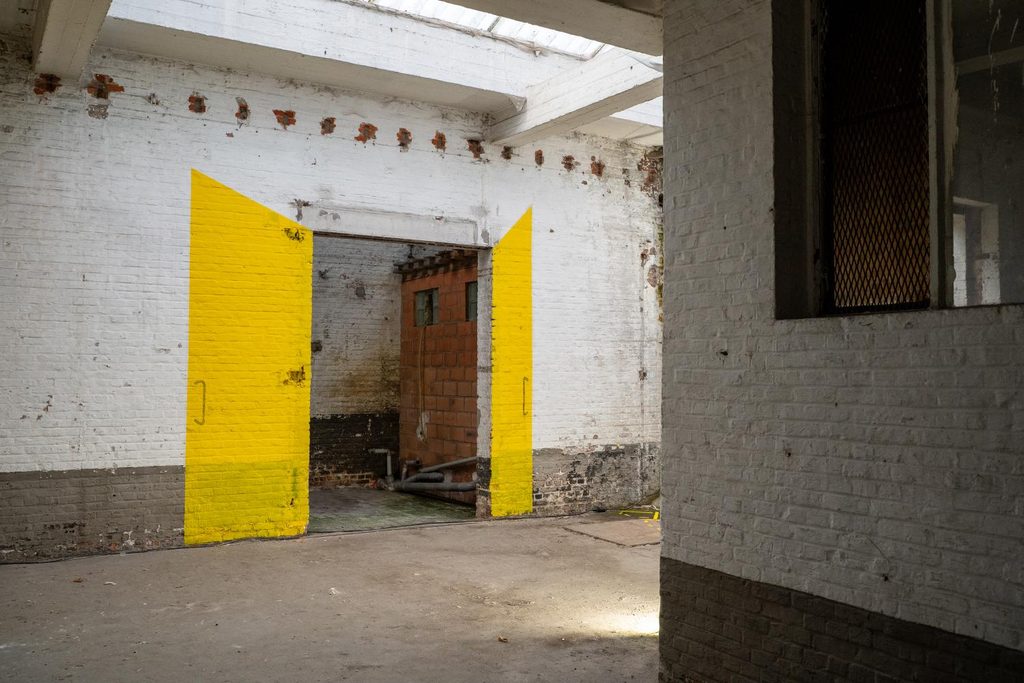
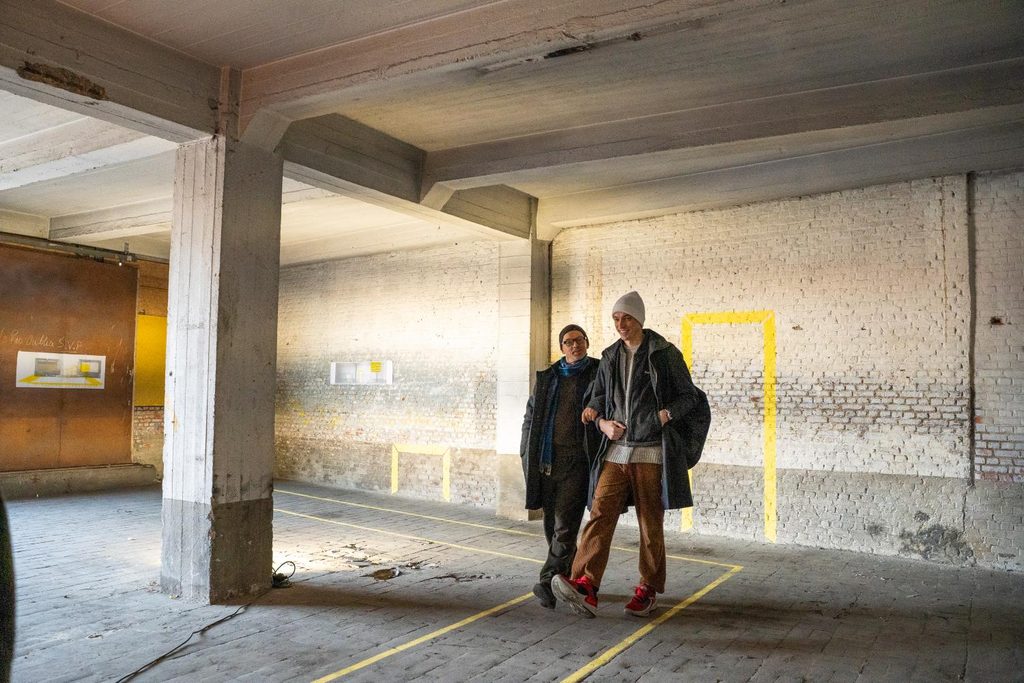
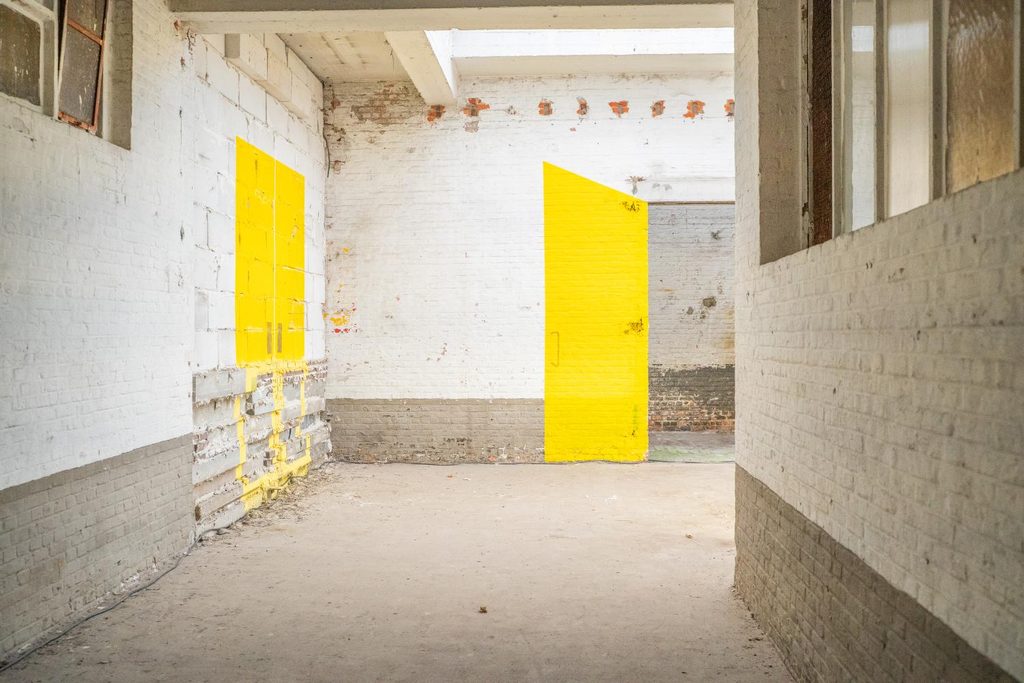
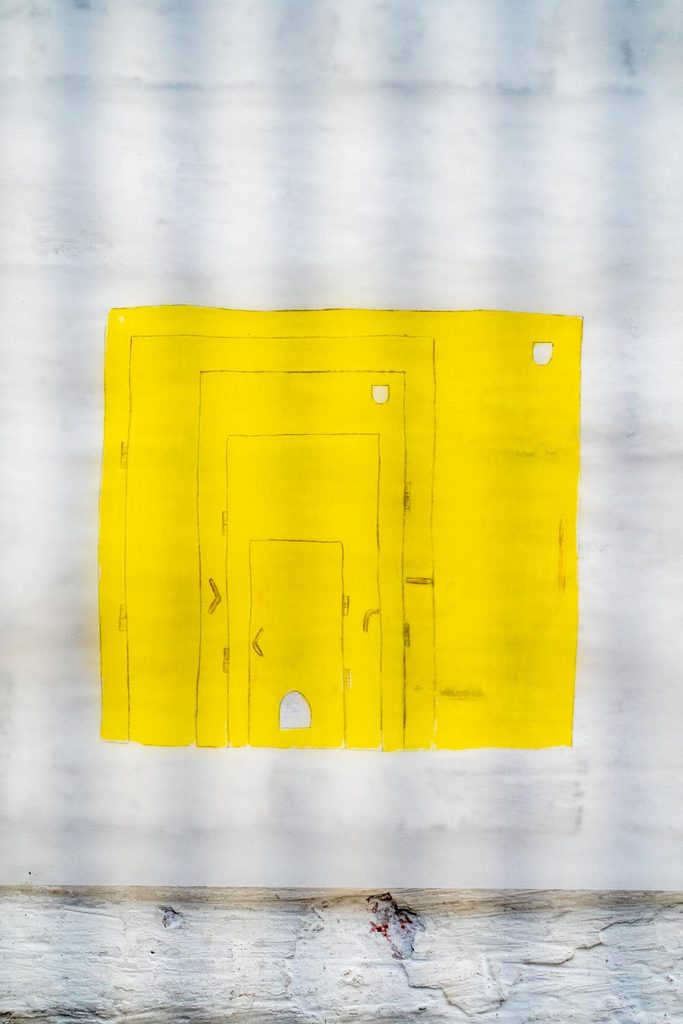
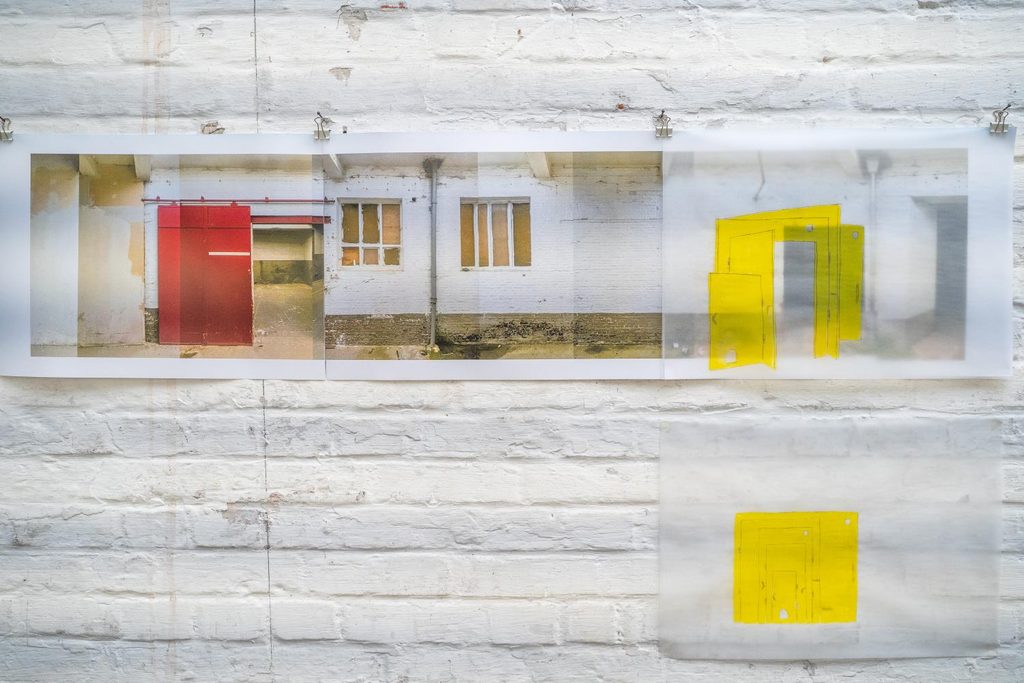
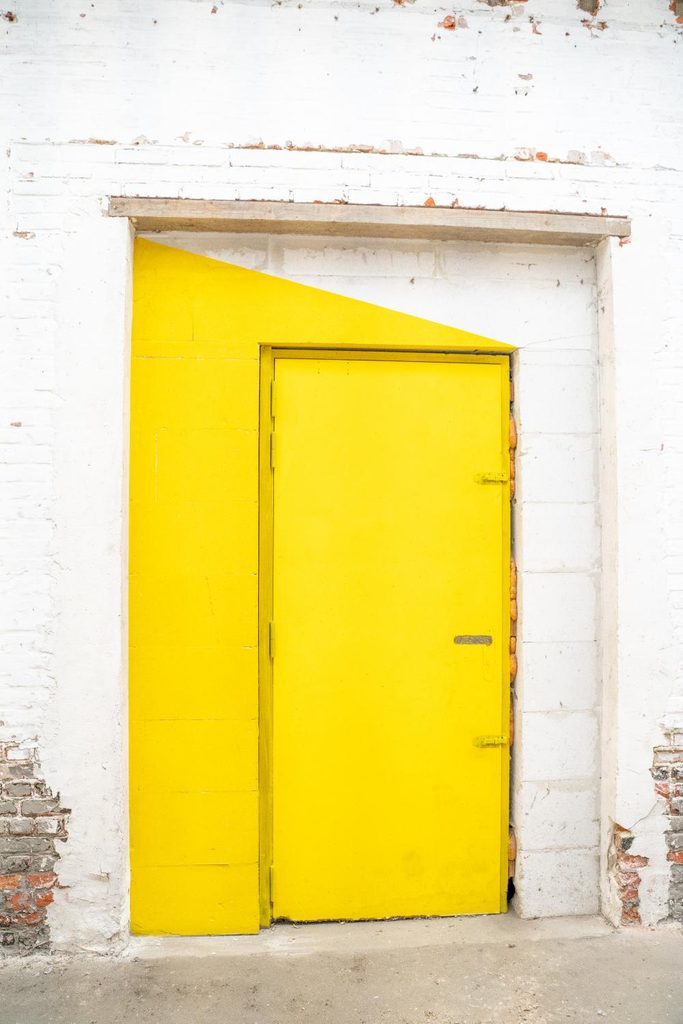
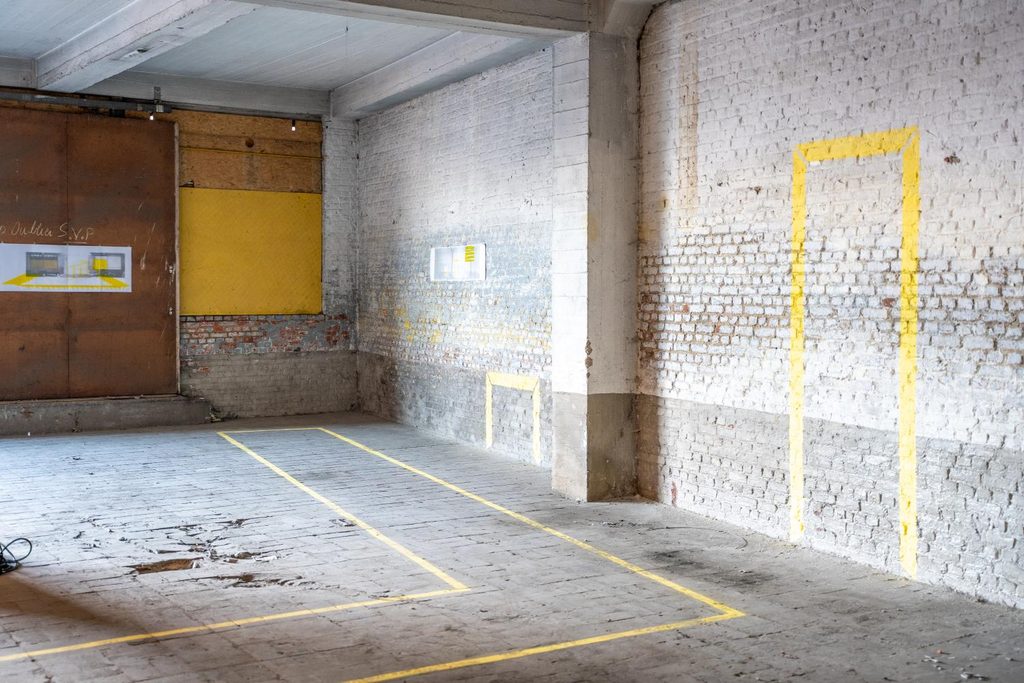
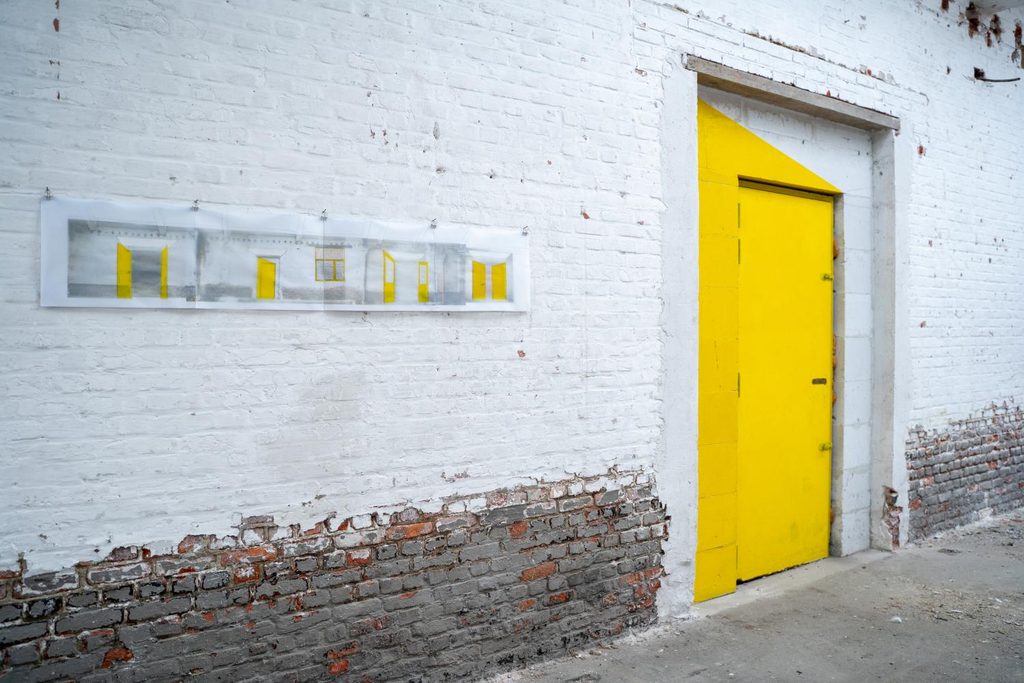
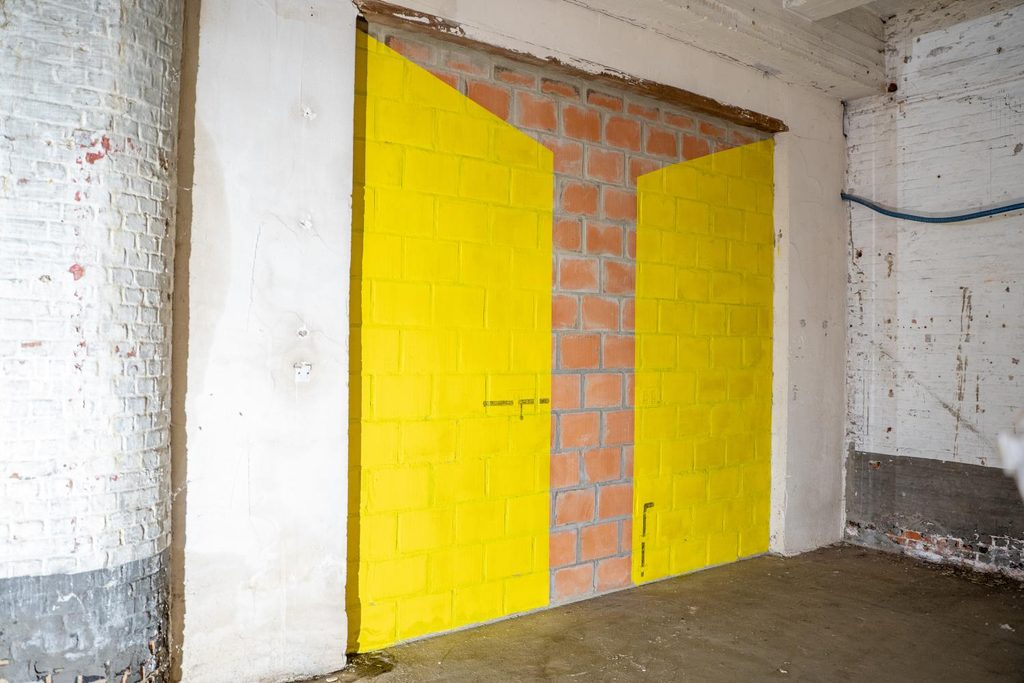
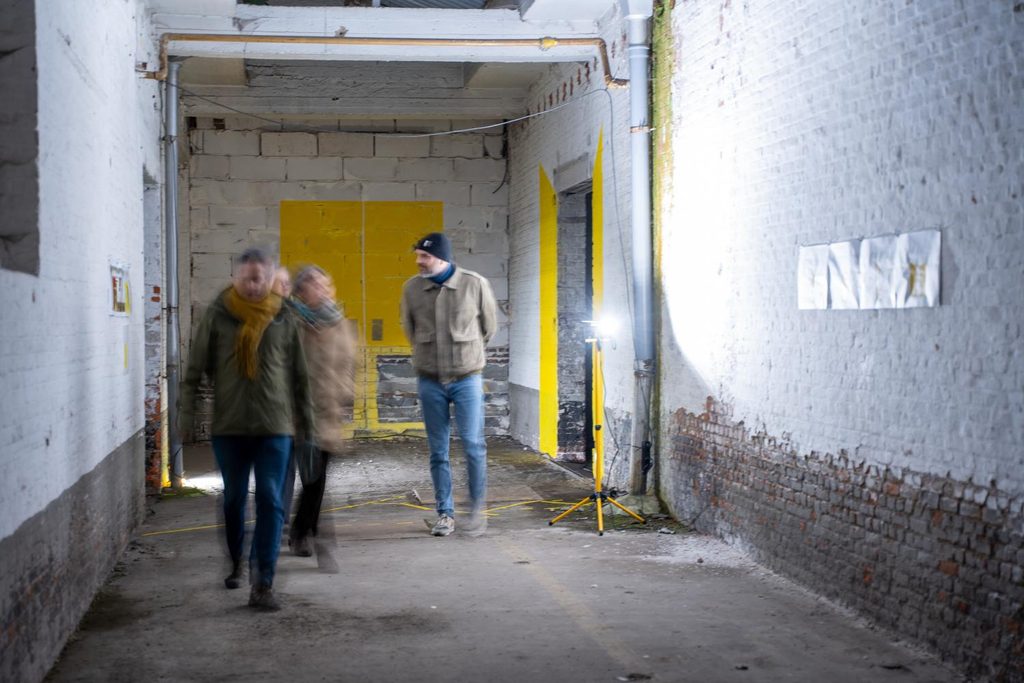
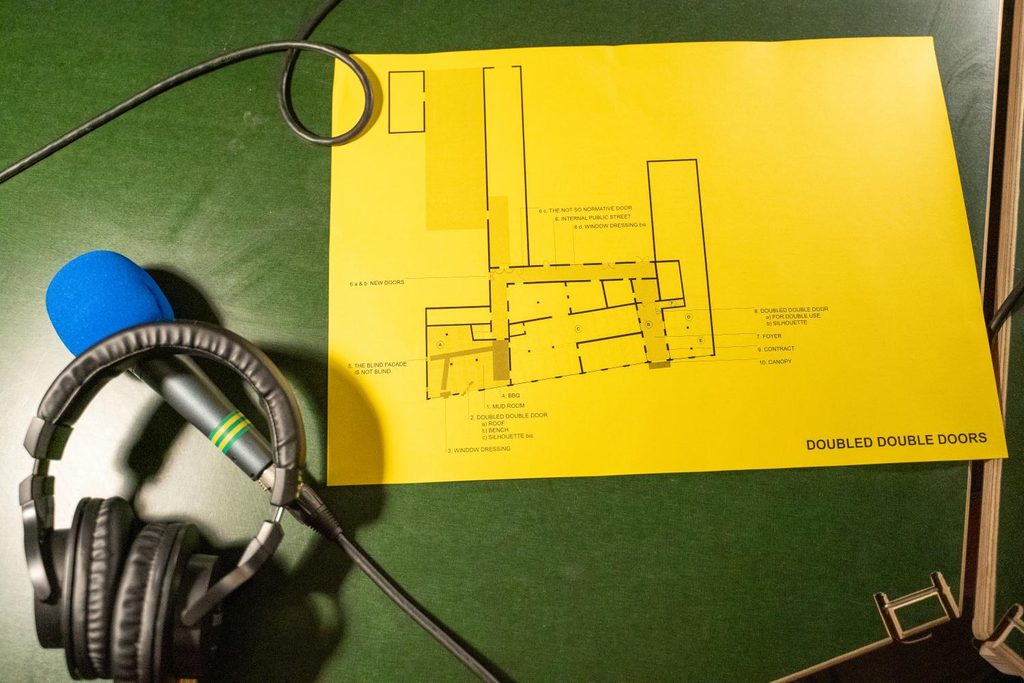
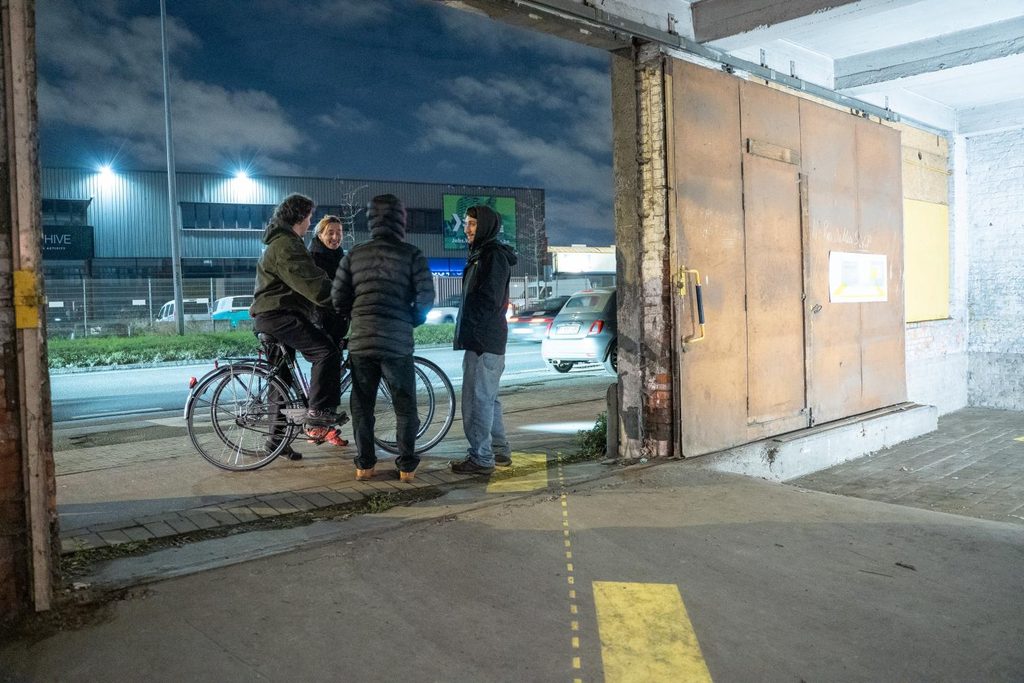
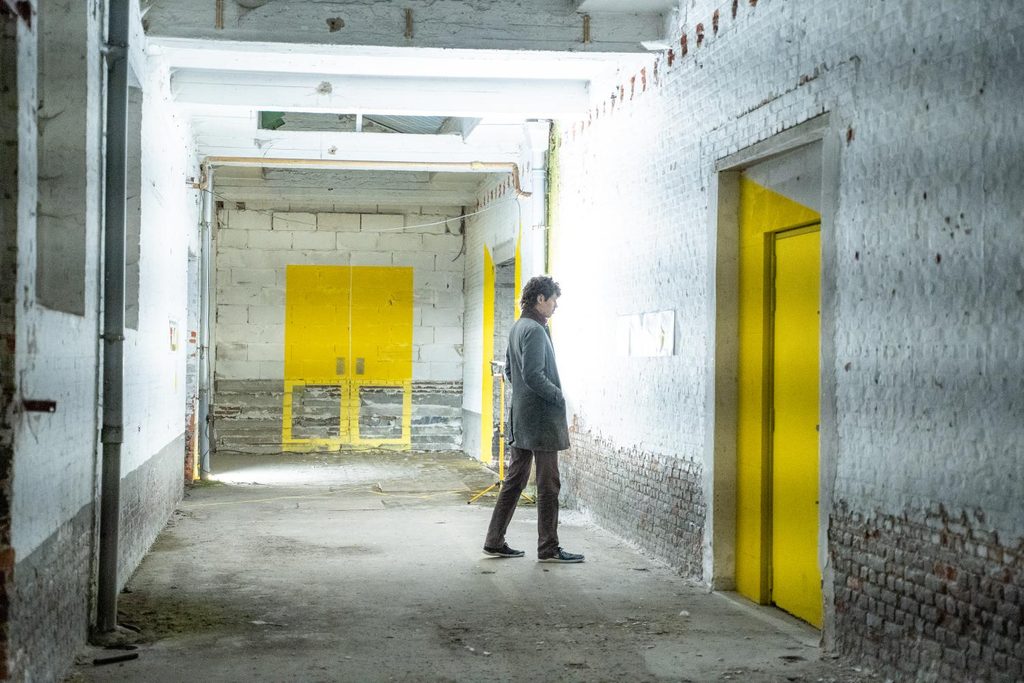
What if this lonely bus stop, and the empty factory building behind it, are Buda’s best chance for a proper point of arrival? Can this unexpected partnership offer Buda an entrance door? Or many doors all at once—front and back doors connecting the busy Schaarbeeklei with the backyards of the Harensesteenweg, drawing us inside Fobrux’s dark ground floor, becoming a gathering space of sorts. Perhaps with doubled double doors. It’s ghosts we’re dealing with, after all.
Following The Woman Who Thought She Was a Planet last June, and as a closure to the three-year Border Buda project, we return to the question: who do we develop our cities and buildings for, and why? Departing from Fobrux as a case study, we ask: what can outskirts like Buda tell and teach us, beyond the reductive stereotypes of ‘empty’ and ‘ugly’ so often used to justify their ‘optimization’ and ‘development’? Who is hiding in plain sight, and has the ‘right to opacity’?
Fobrux is one of the few unoccupied buildings in Buda, and one of the last ones in public ownership. Ghosts have spread out all over Buda, but Fobrux waits and keeps silent. The province just launched an open call for reconversion. Can we imagine a future for Fobrux that speaks the tongue of those already there, avoiding the kind of standard real estate reconversions already happening next door? What other imaginaries are possible, and which design methodologies can support this?
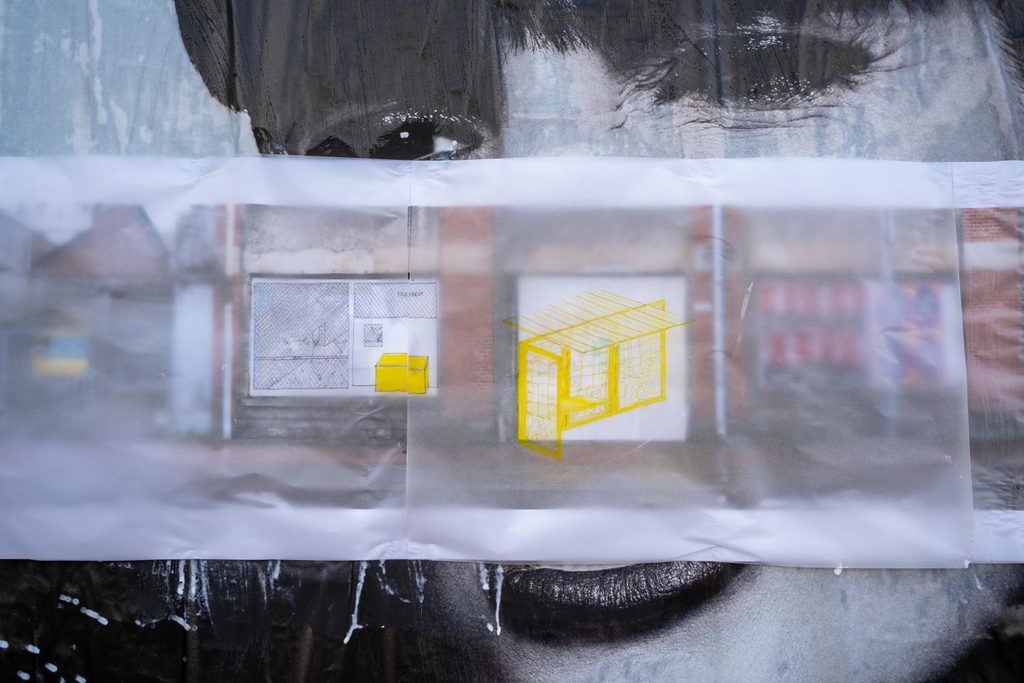
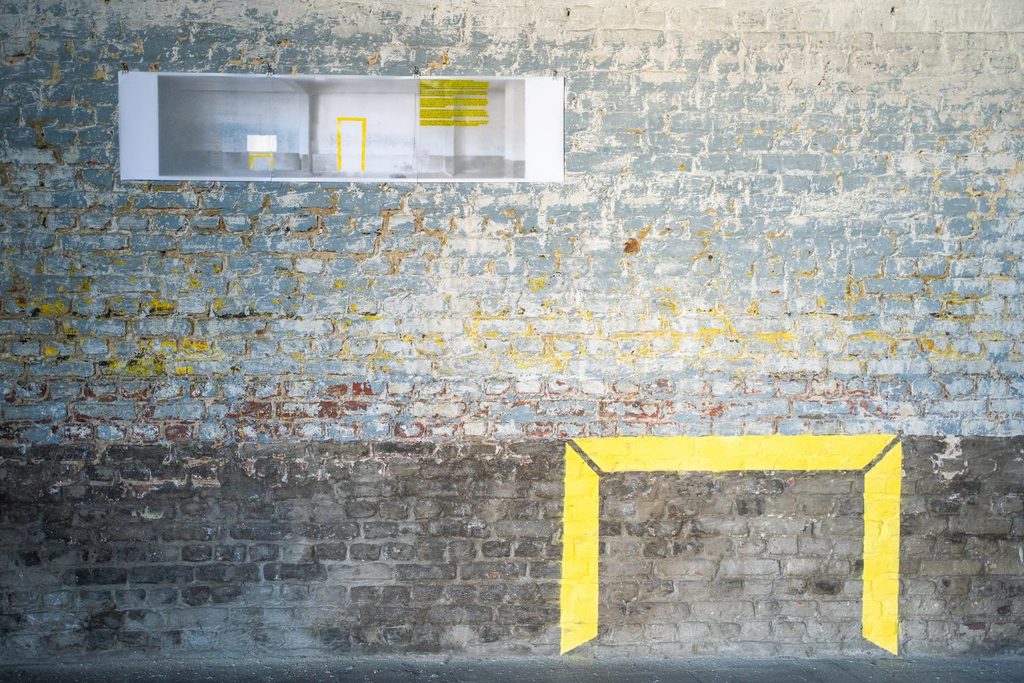
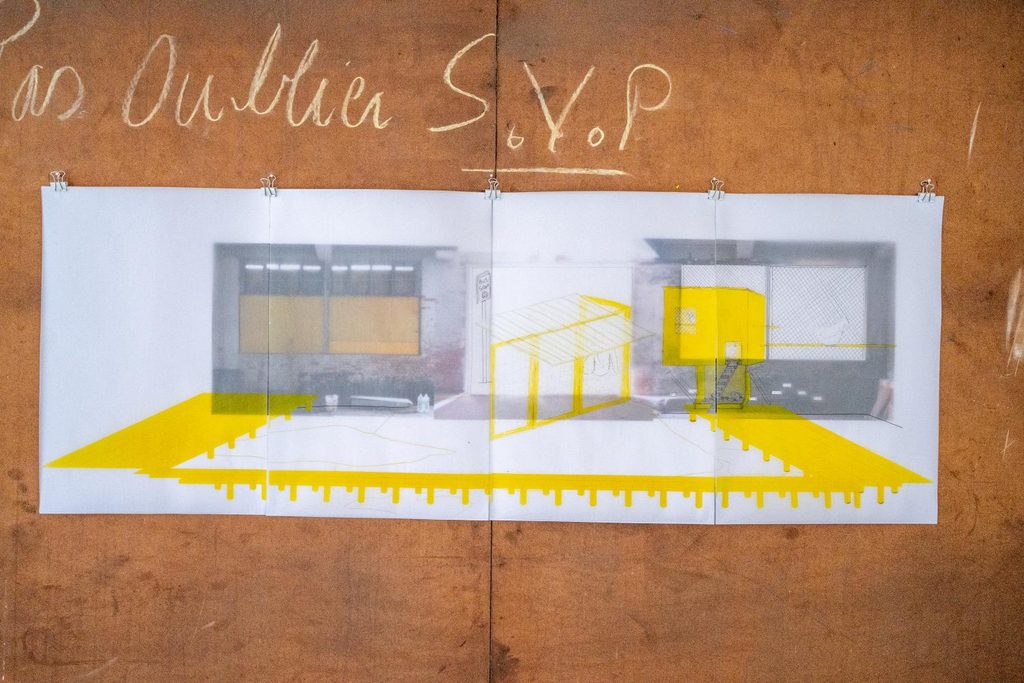
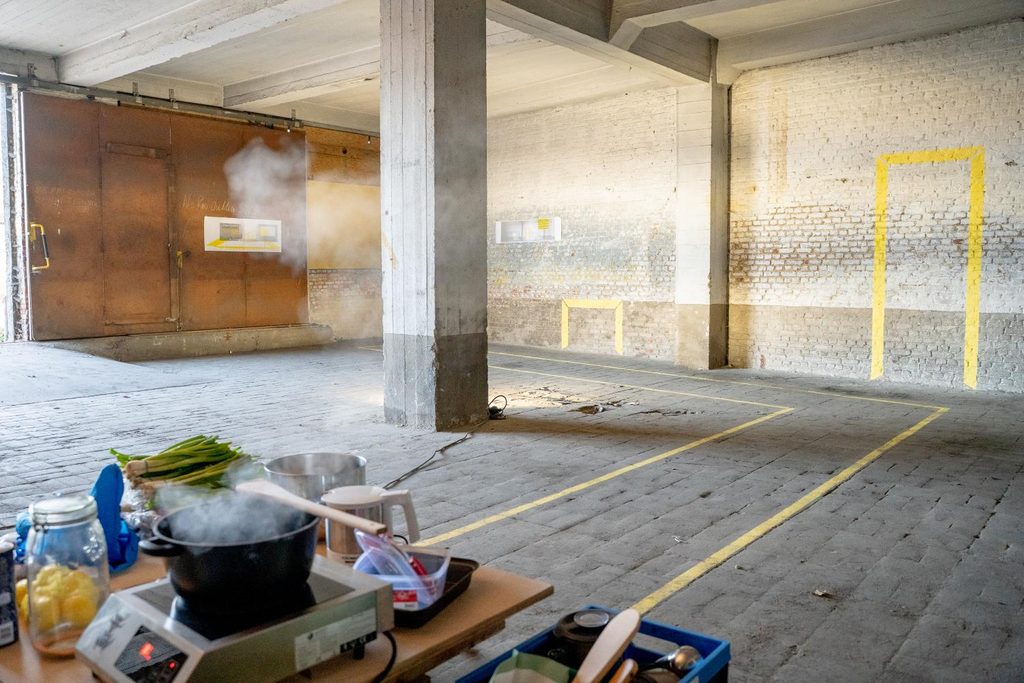
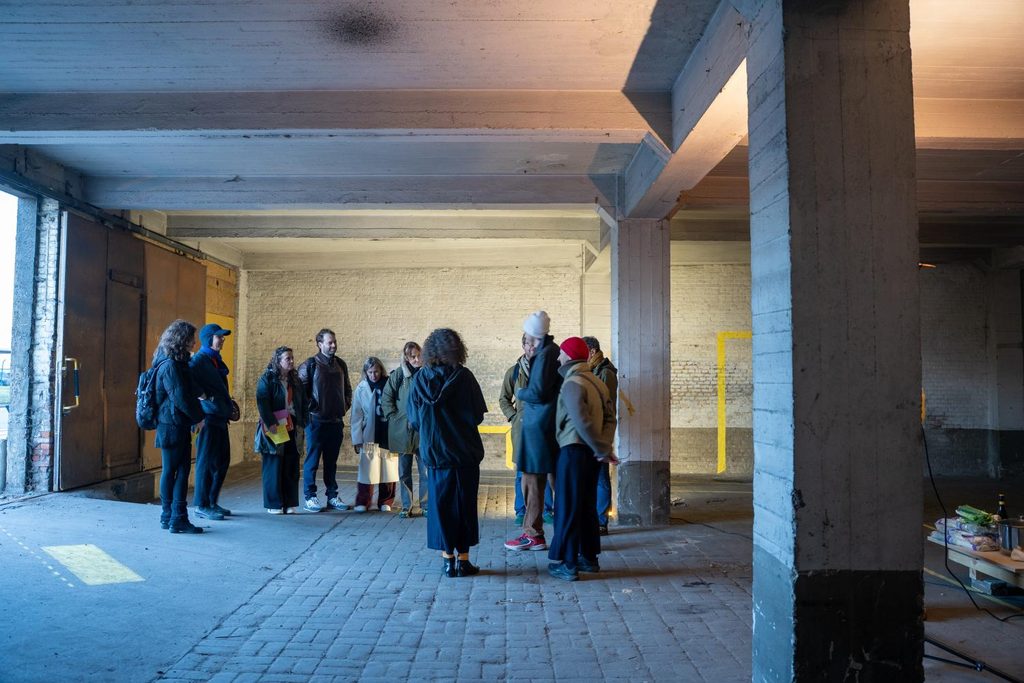
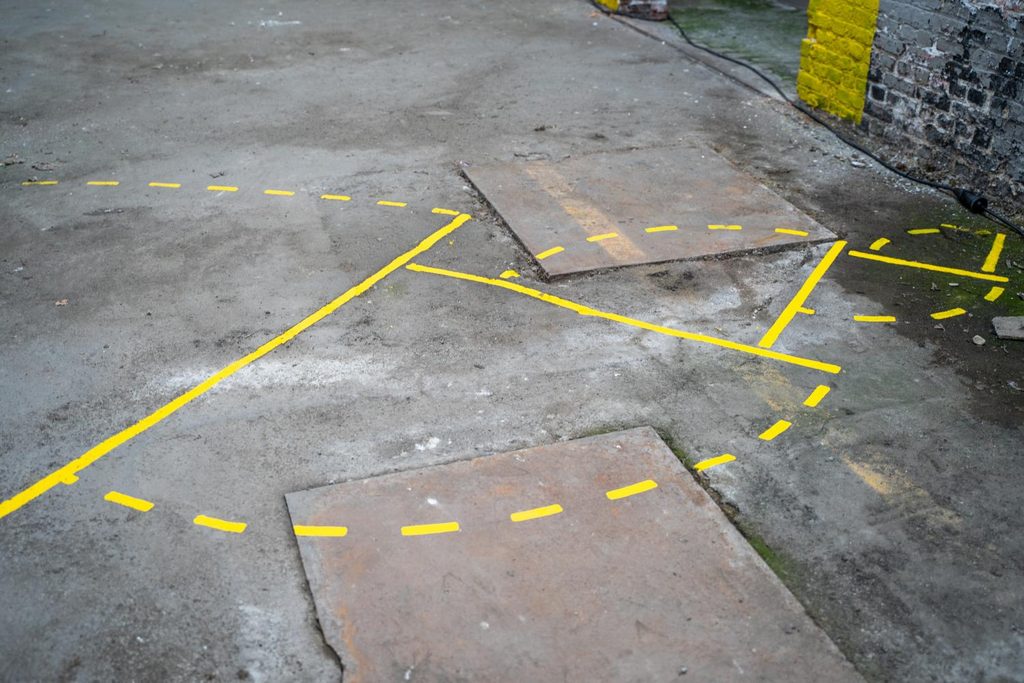
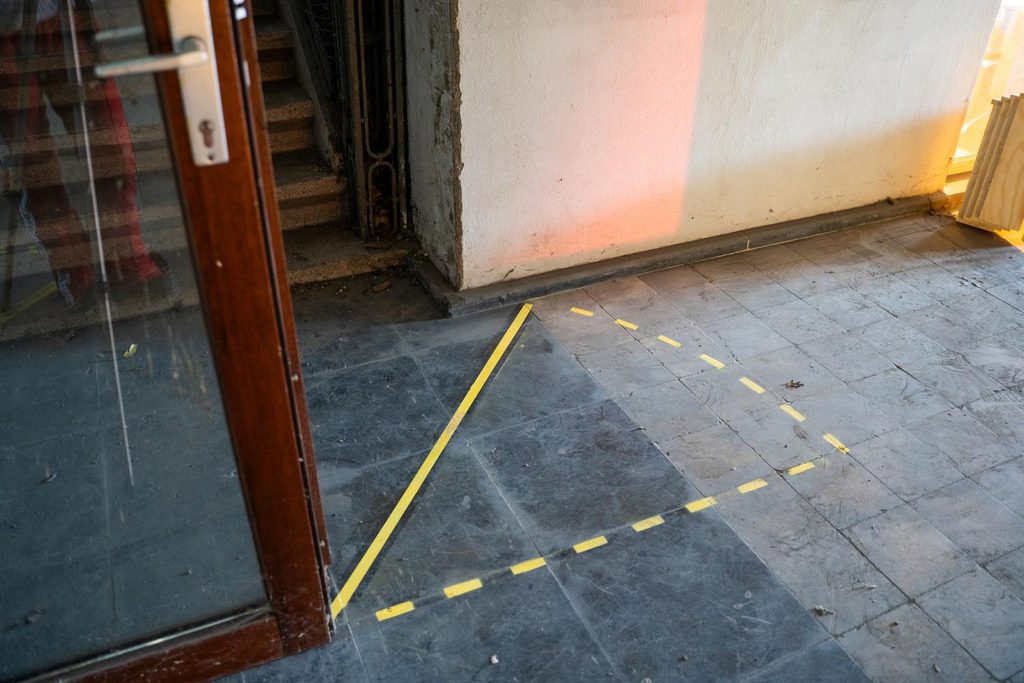
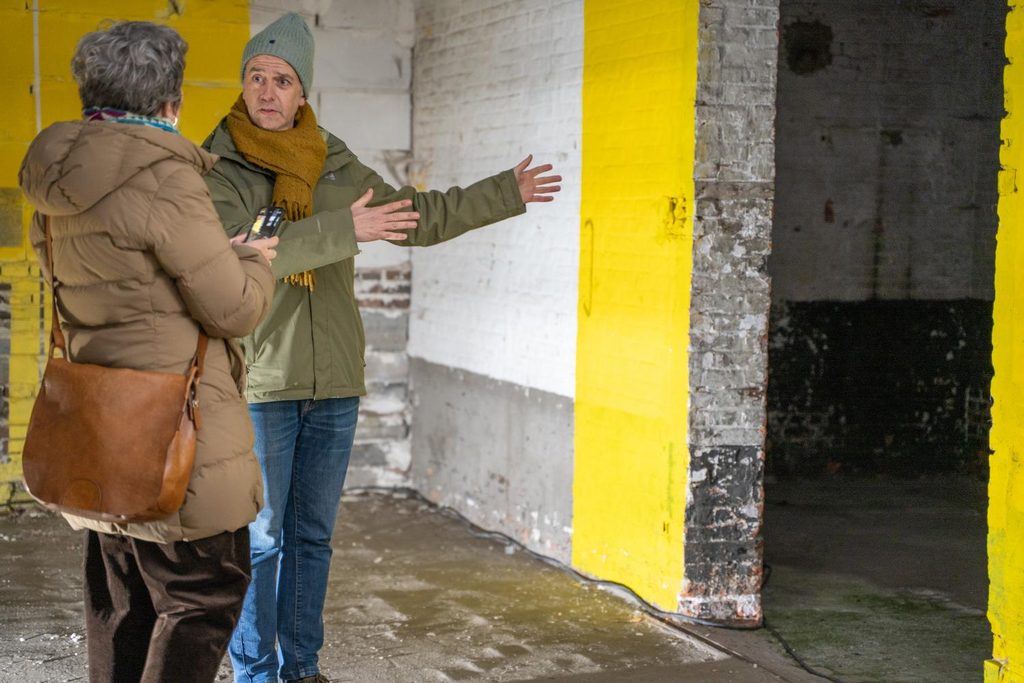
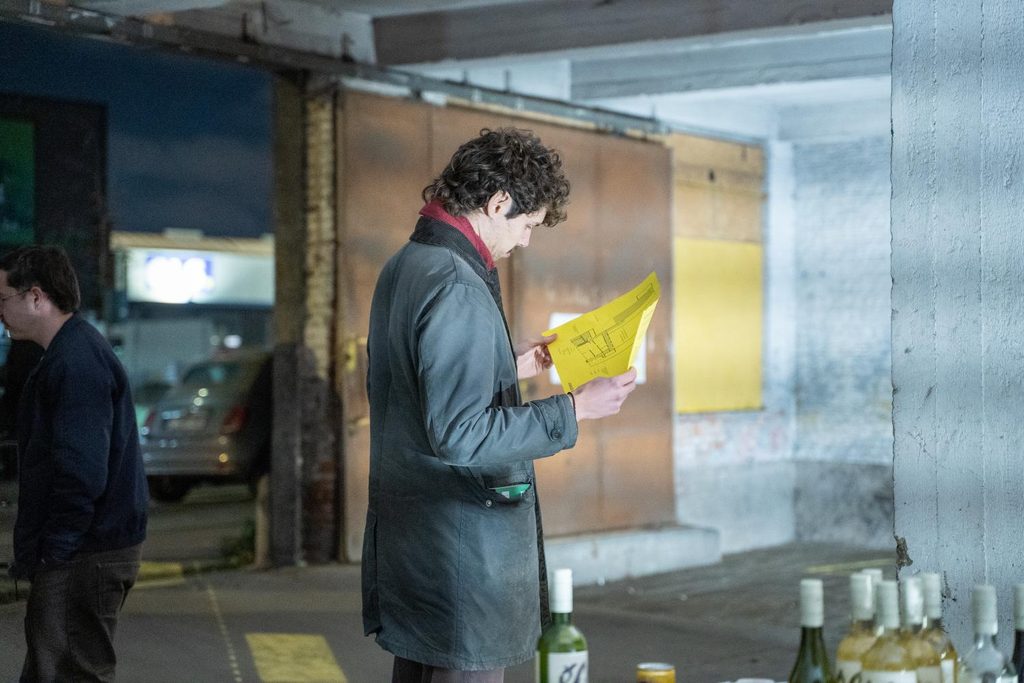
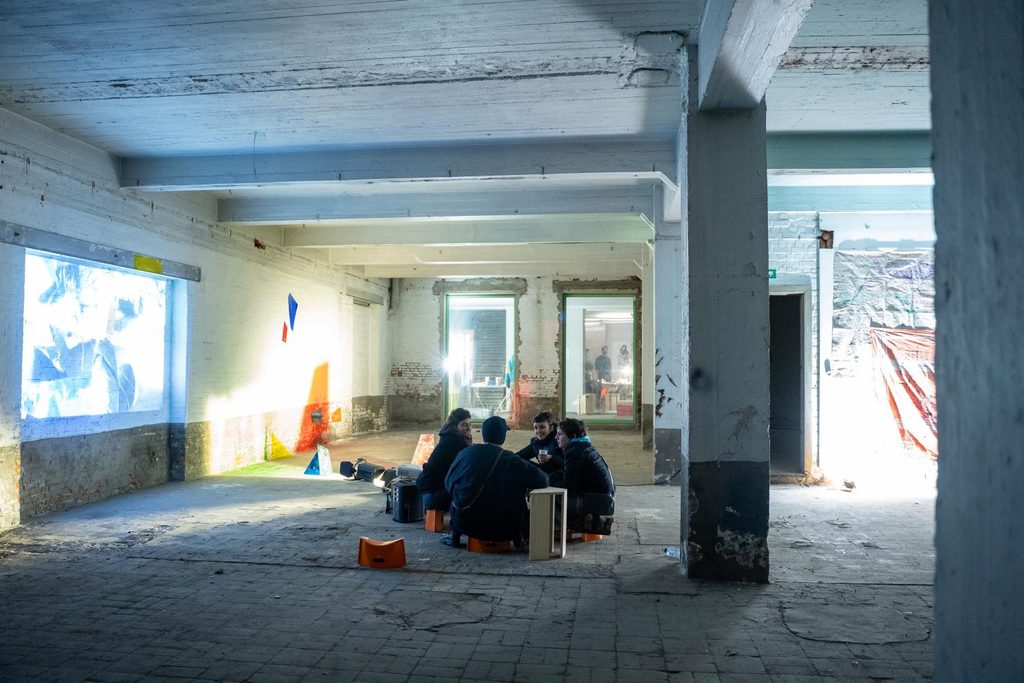
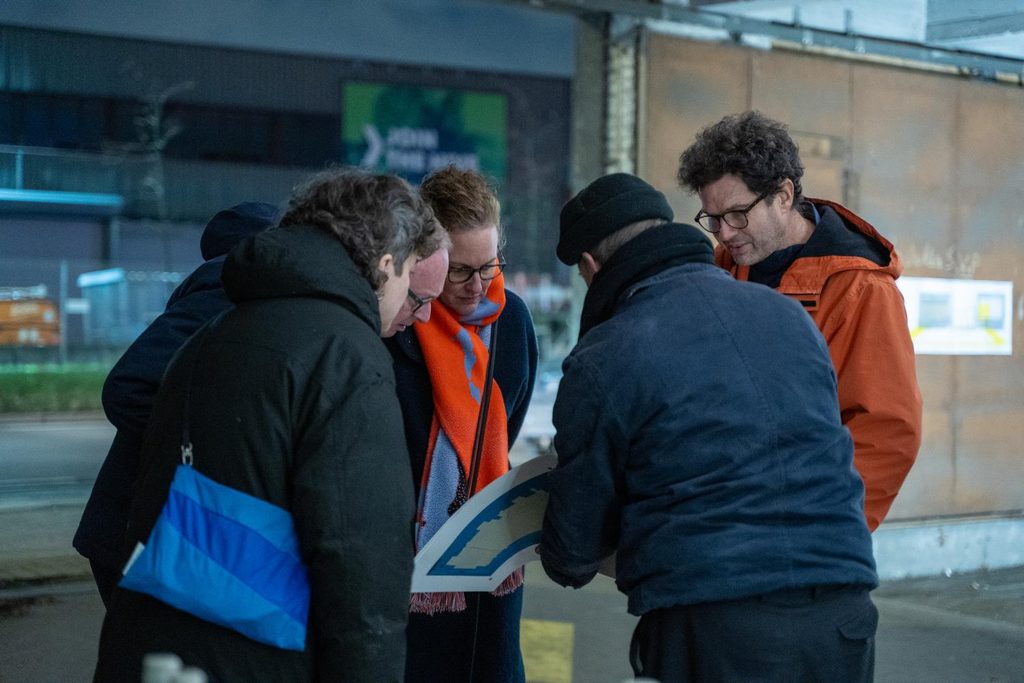
Architect Laura Muyldermans has invited a group of peers—Bert Gellynck, Pieterjan Ginckels, Verena Lenna and Inge Vinck—to test out whether a non-hierarchical collective design method can produce more layered and manifold architectures. Their separate interventions collide into a spatial scenario for Fobrux’s ground floor, in which the bus stop, the pavement, the back yard, a bunch of doors, some chickens and a bit of mud make up the plot. An opaque public space transgresses inside the building. Can this renegotiate and soften the boundaries between what we consider ‘public’ and ‘private’?
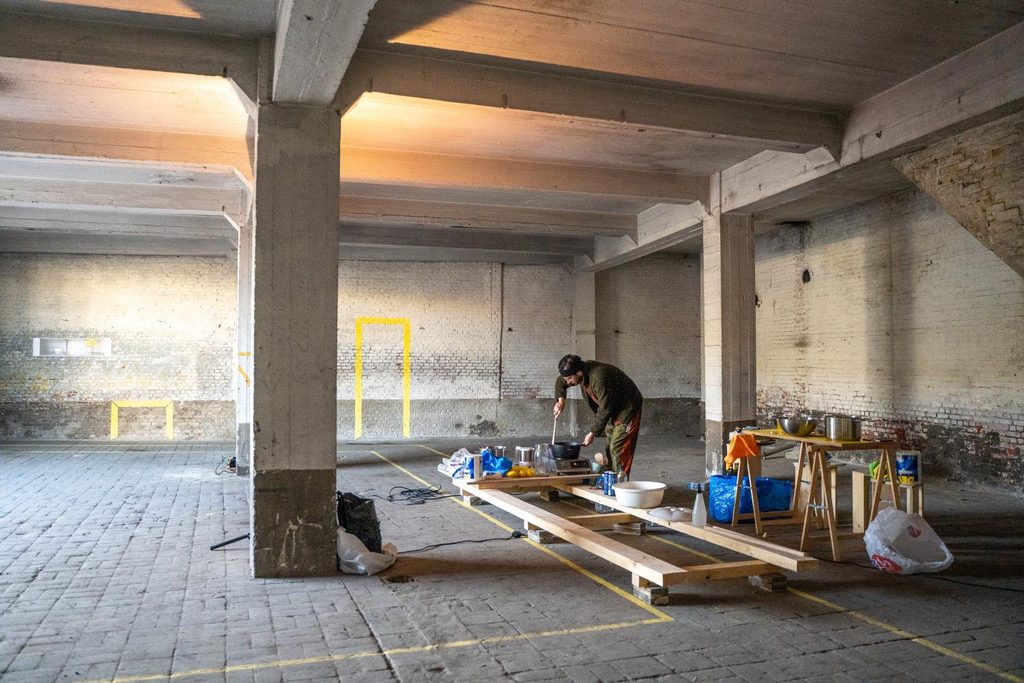
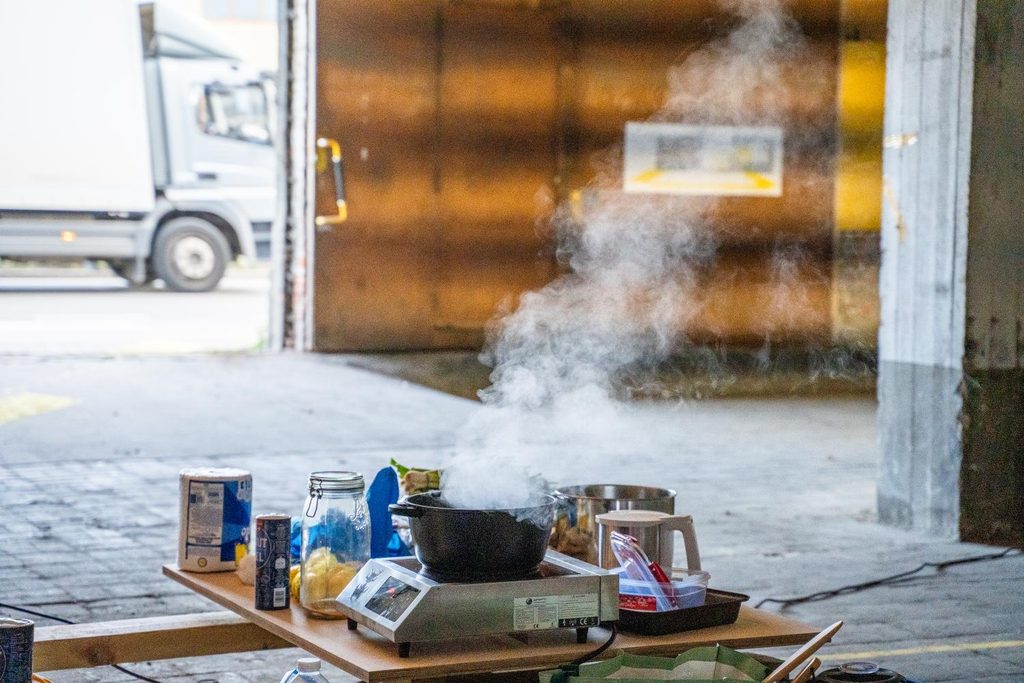
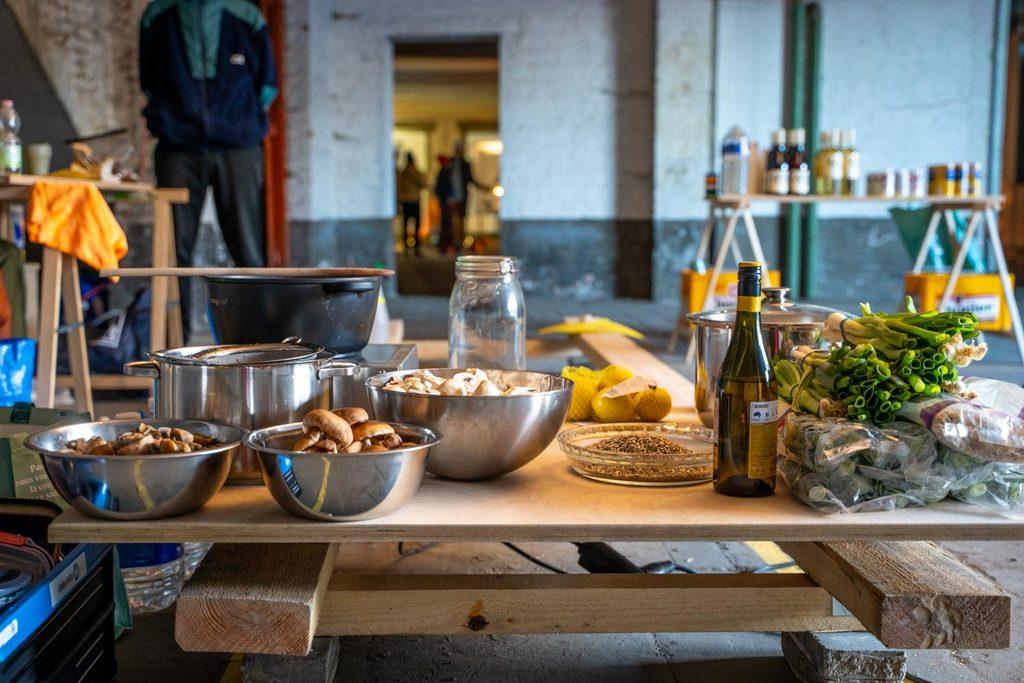
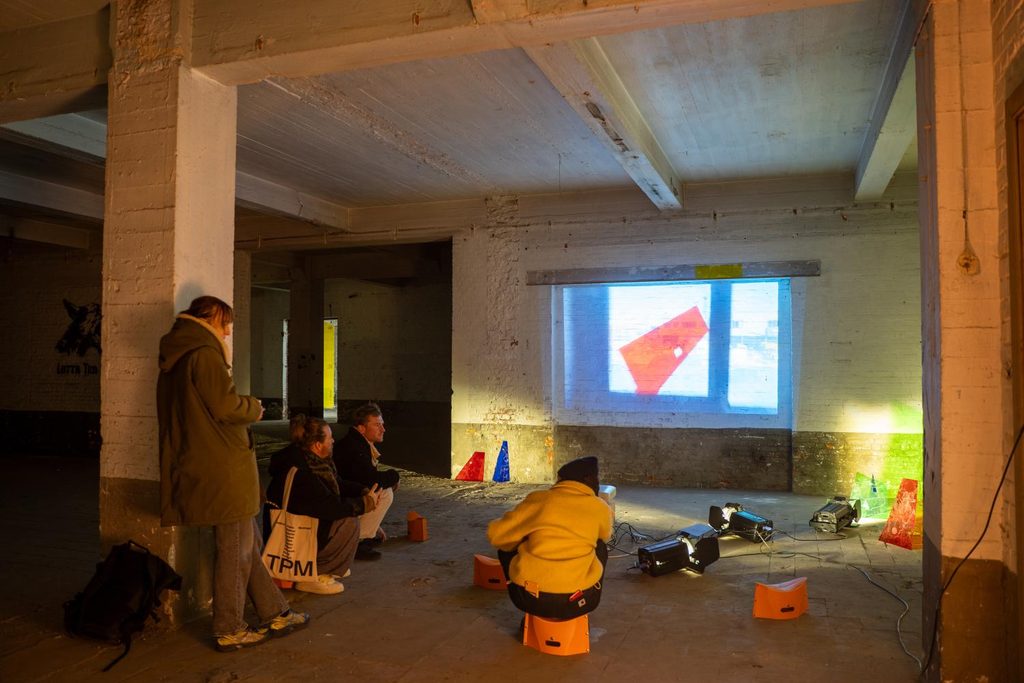
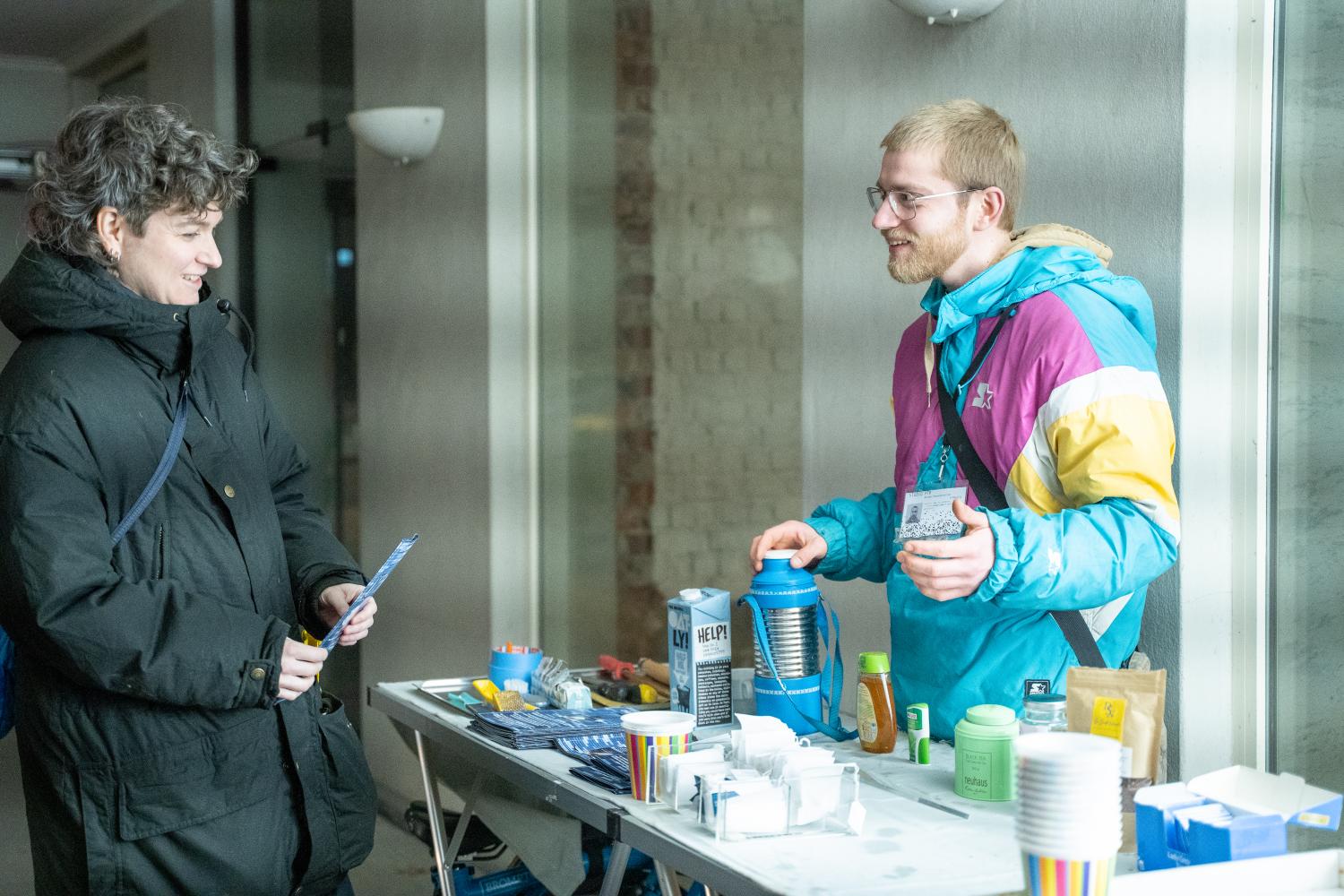
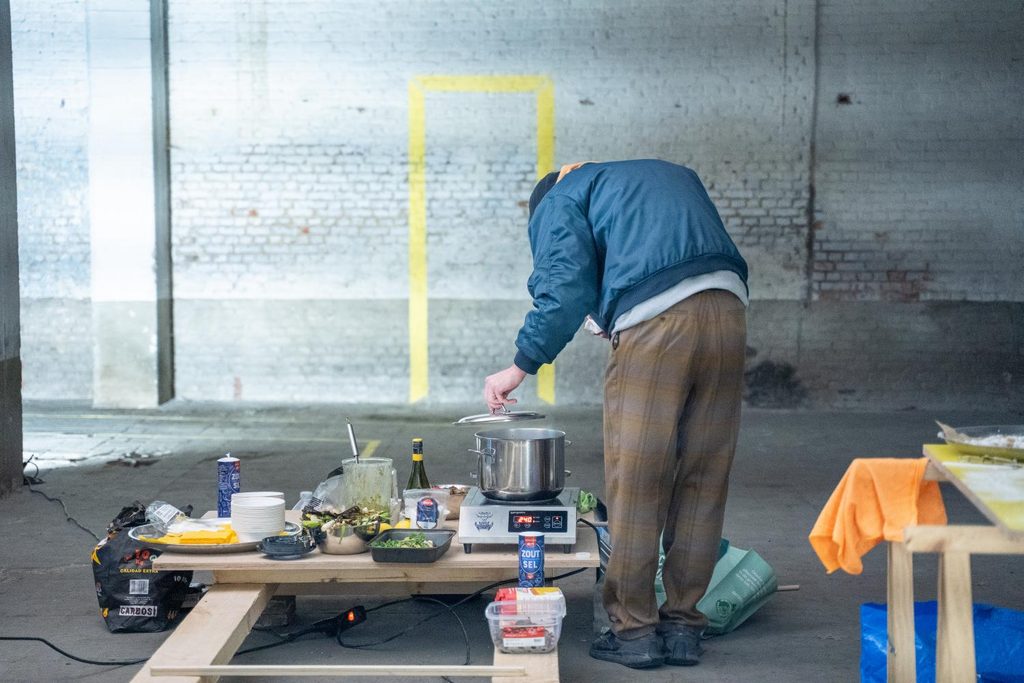
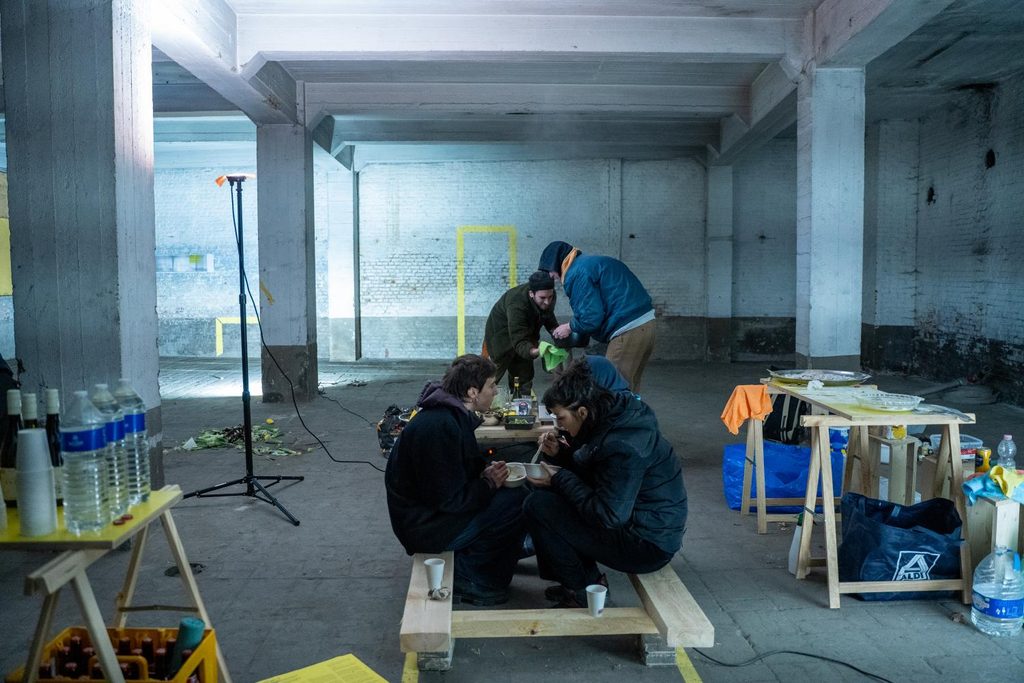
Their collective speculation is drawn out in a 1/1 installation in which artist, performer and cook Nick Von Kleist serves a warm dinner. After his legendary swamp soup last June, he now attunes to the winter and Fobrux’s firey legacy with gnocchi. A group of teenagers from Vilvoorde and Haren join in. A film they made this spring in Fobrux with Compagnie Radix shares their dreams and aspirations for Buda. Finally, Jean-Loup Cools serves and harvests ProperTea, inviting us to get a proper taste of Fobrux. If we experience architecture through all our senses, why only use visual renders and representations of it? Architecture is already in our heads, what happens when it enters our bodies?
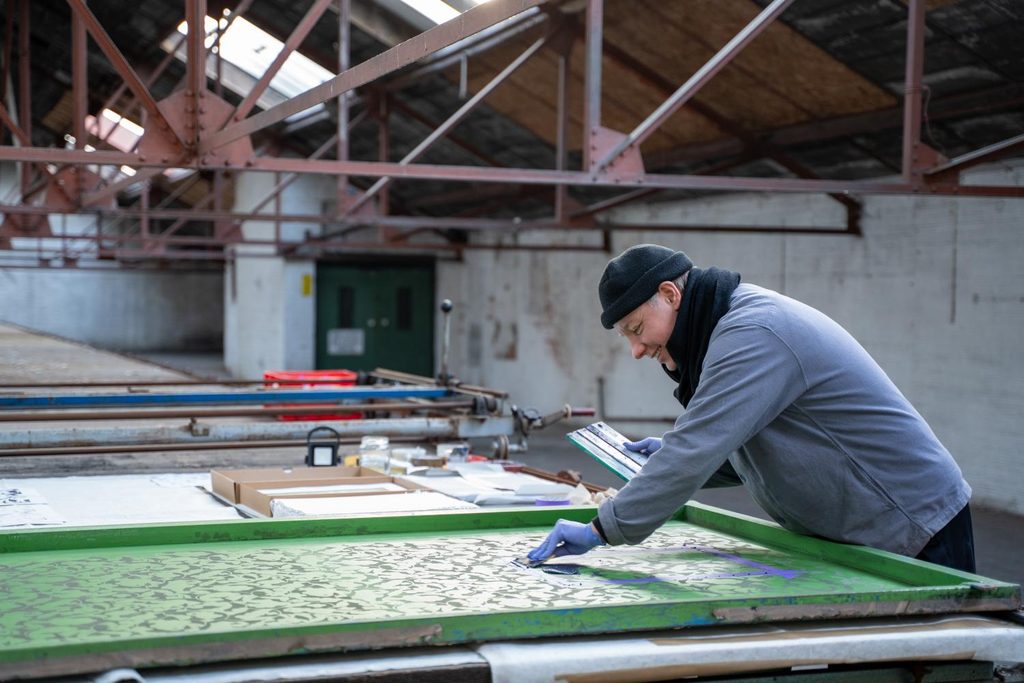
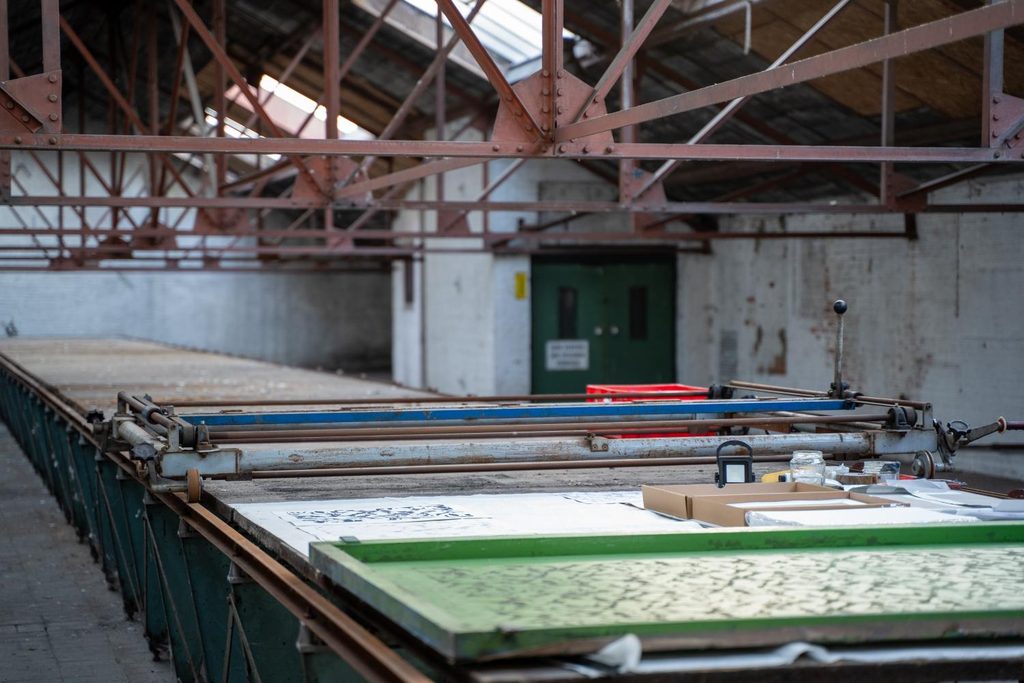
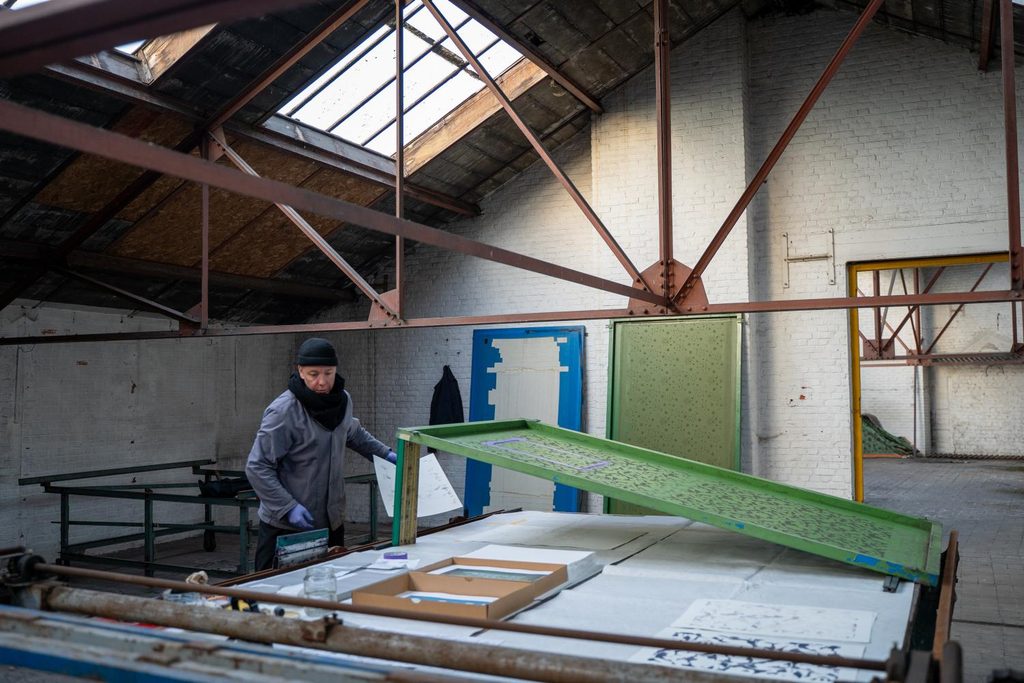
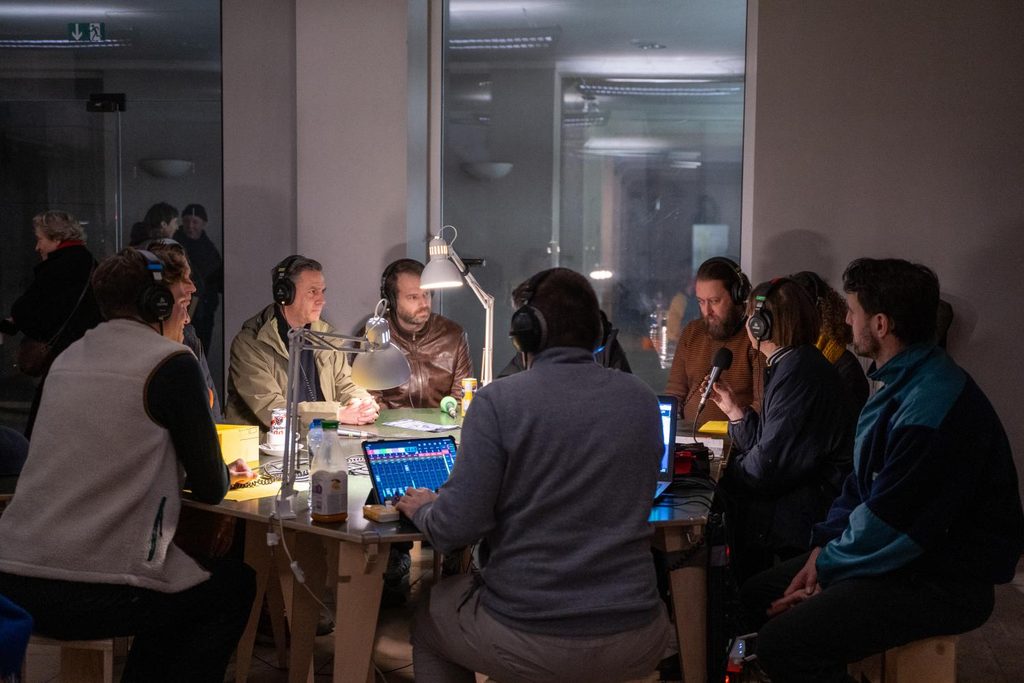
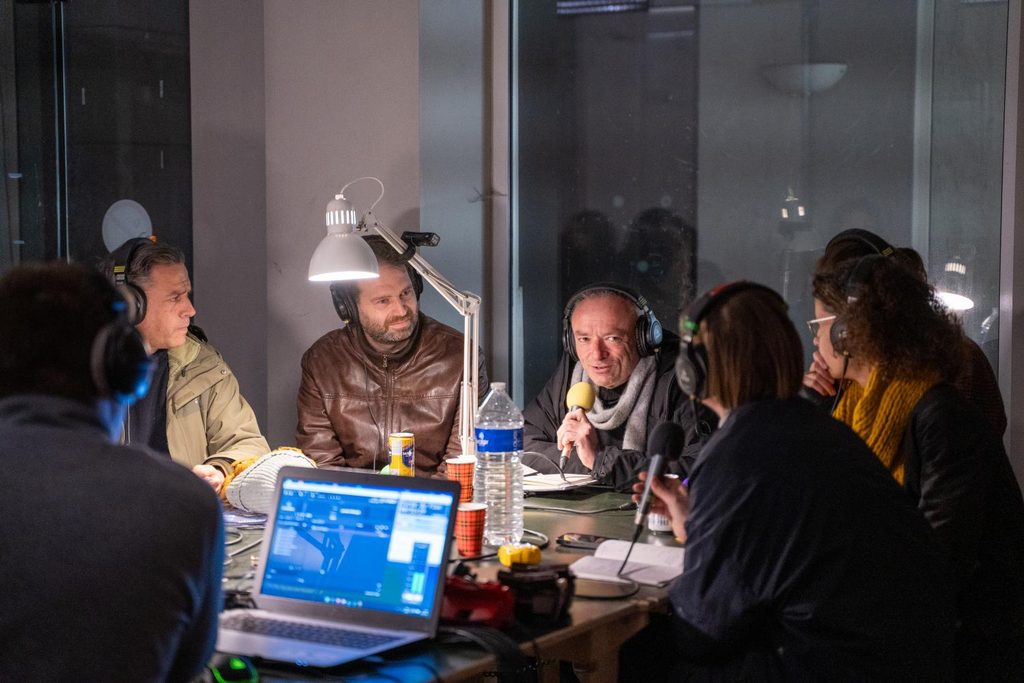
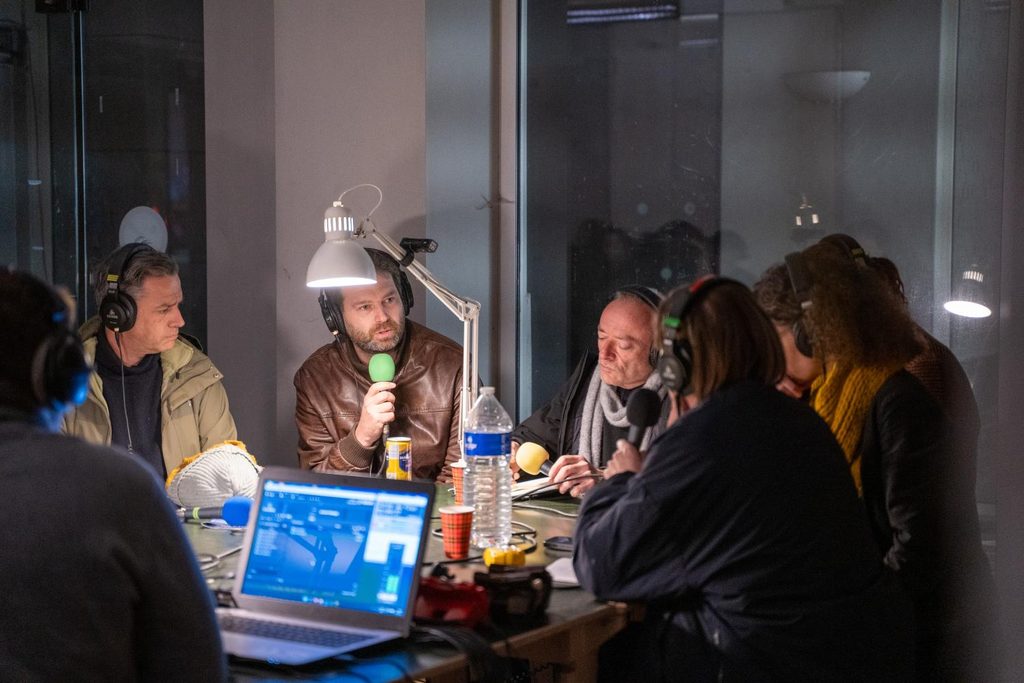
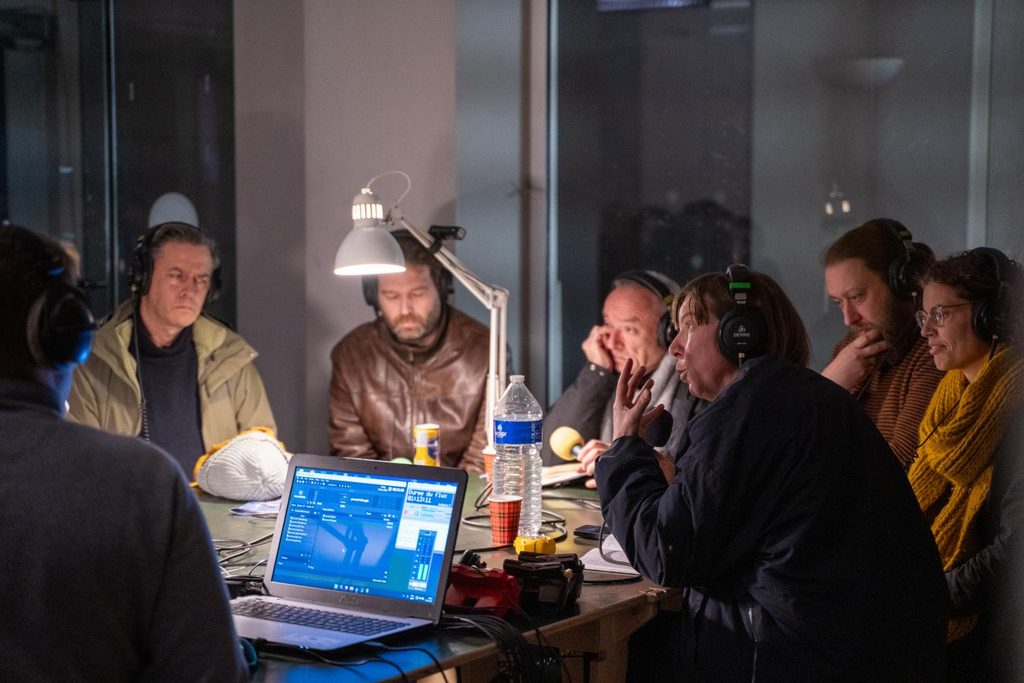
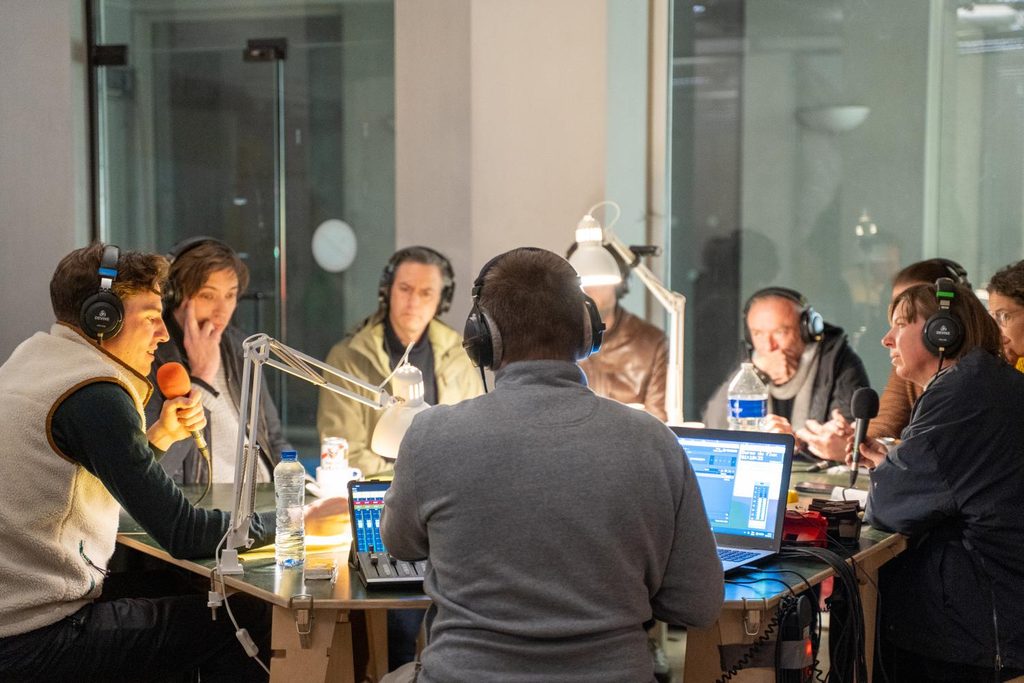
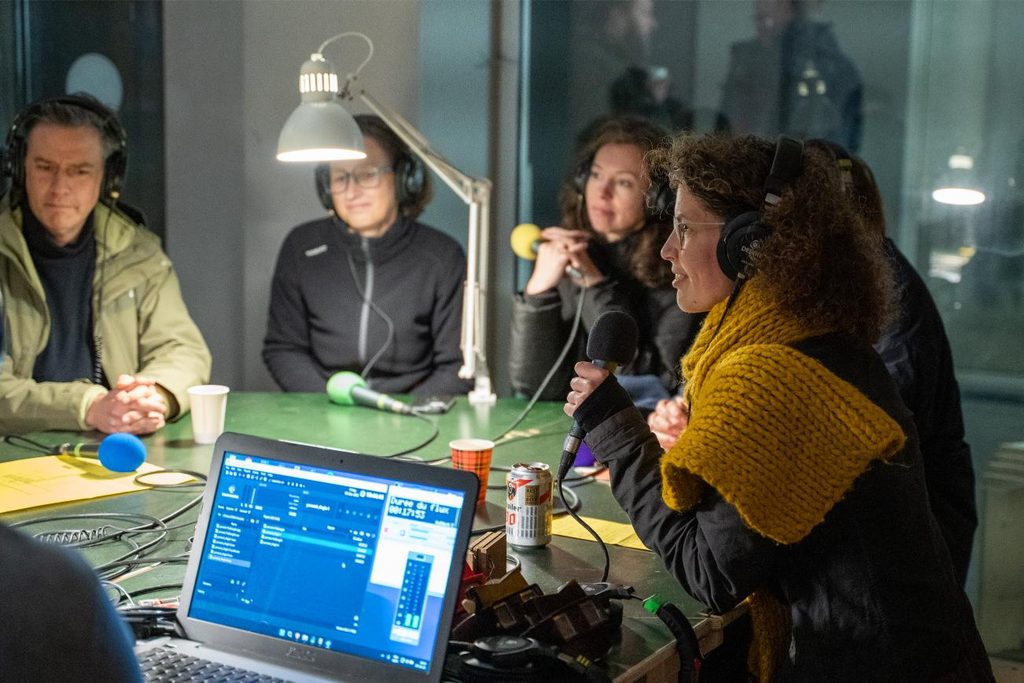
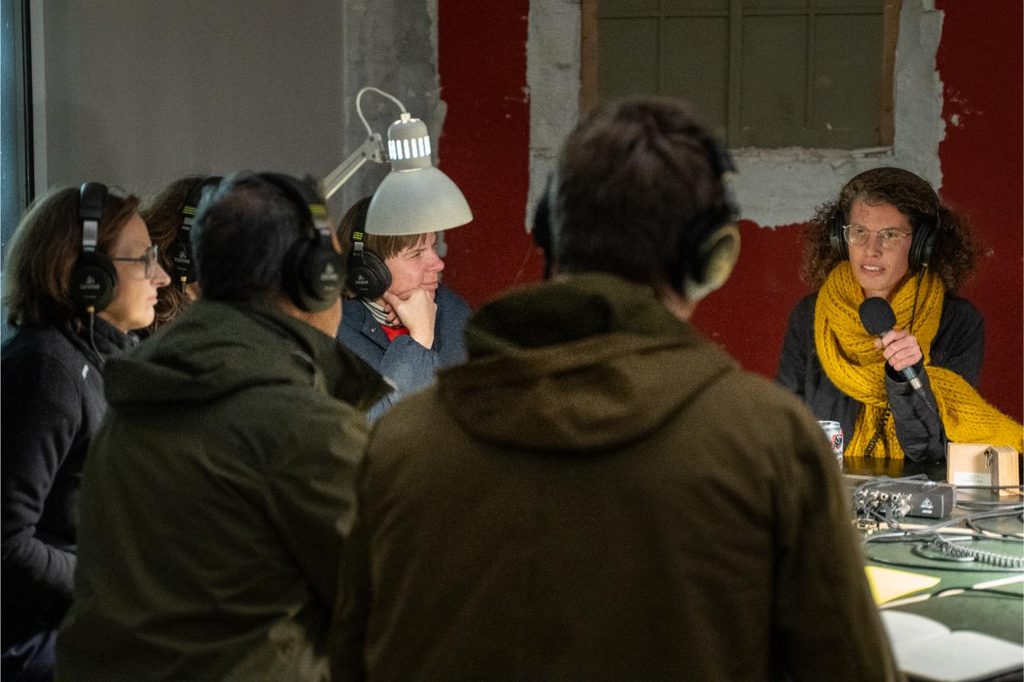
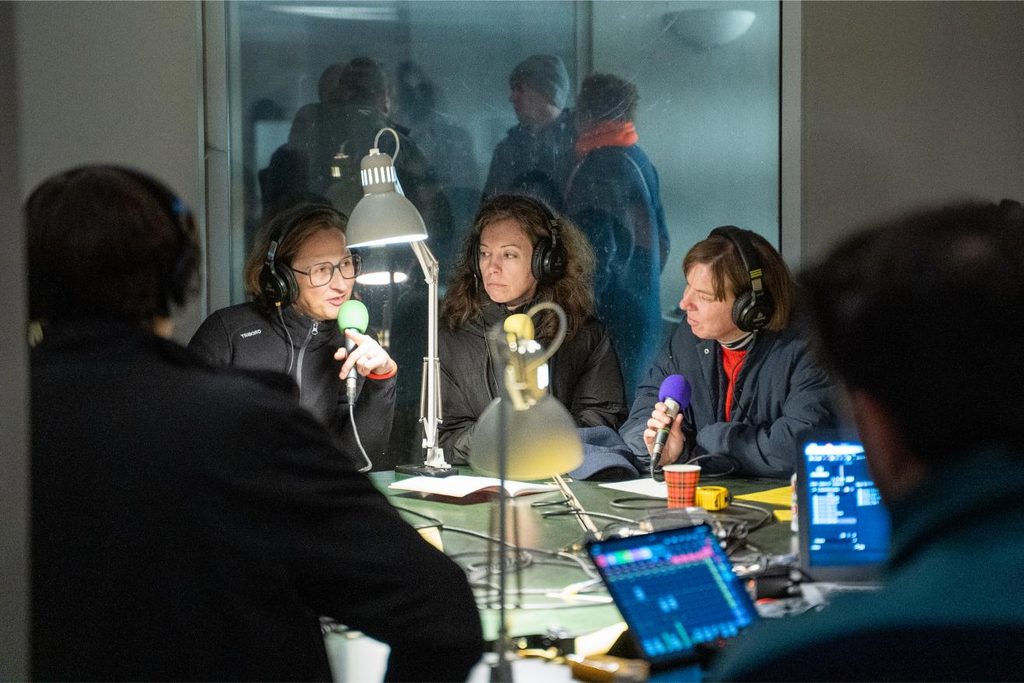
Meanwhile, we warm up the installation ‘Moving Image’ of Lucile Desamory for another round of live broadcasts of Radio Fantôme, hosting conversations between architects, urban planners, developers and policy makers. Upstairs, artist Sarah Smolders puts the former silkscreen press to the test, sharing a first insight on how even Fobrux’s dismantled machines can still speak back to us today.
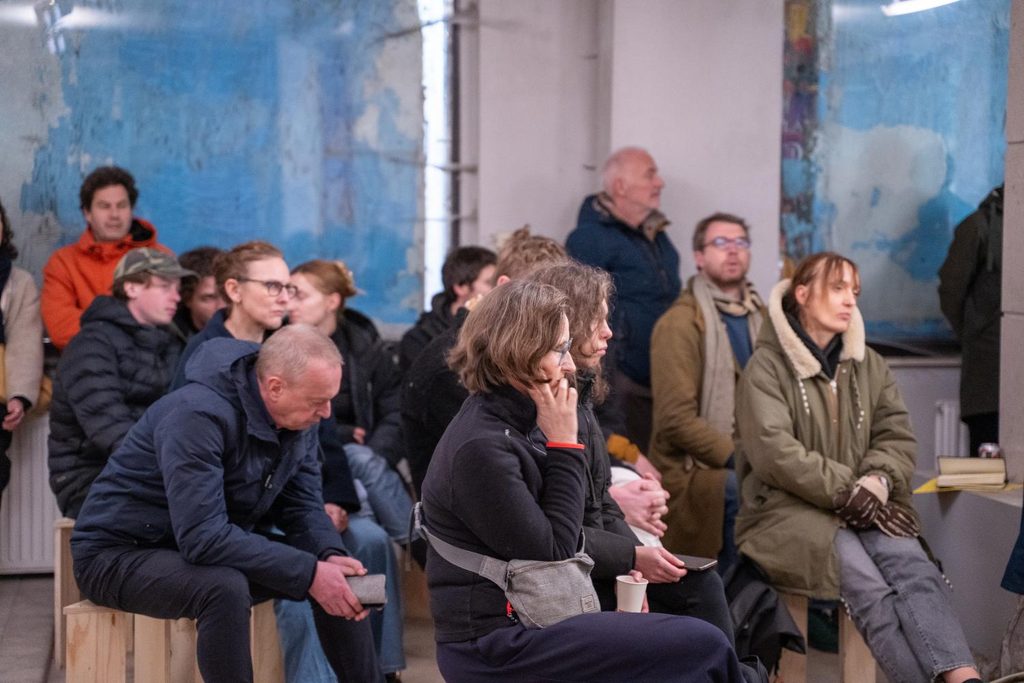
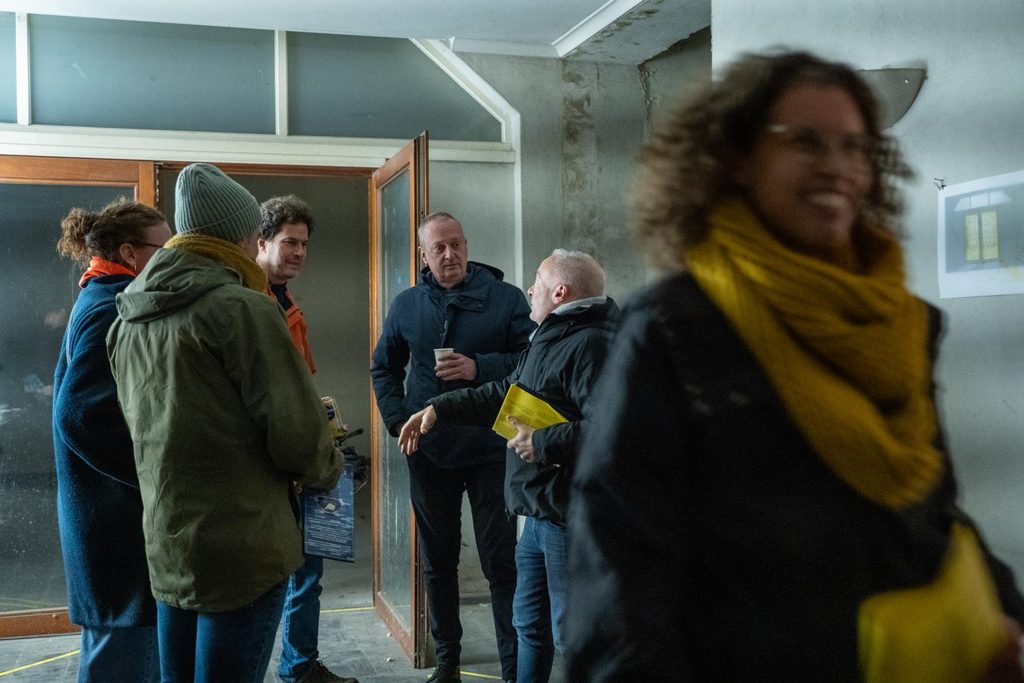
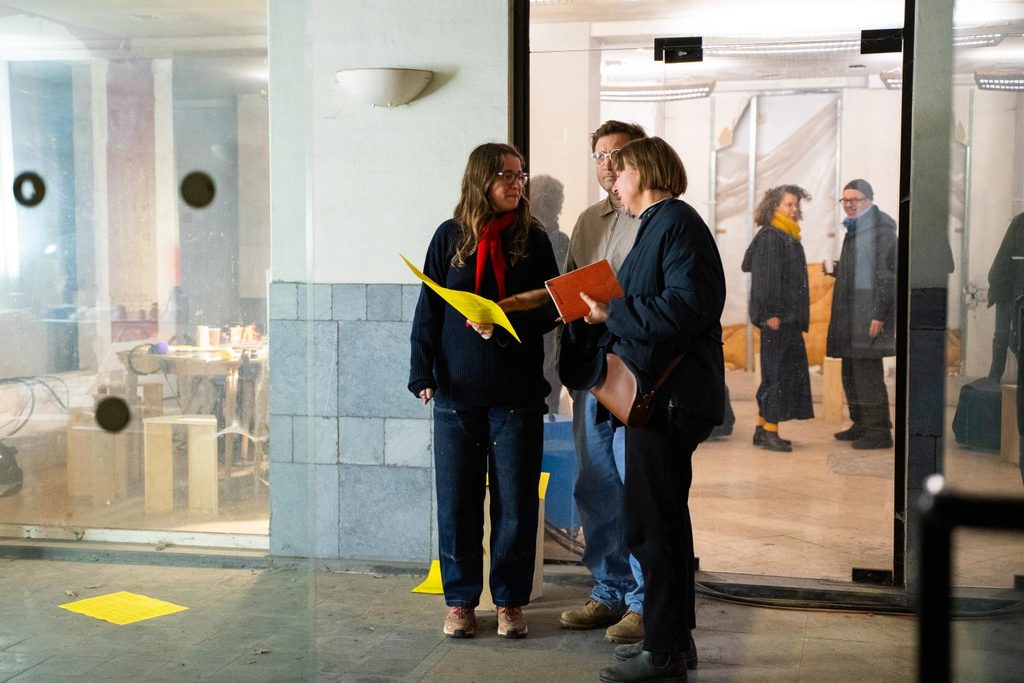
Join us to dwell, talk and eat together in Fobrux one last time, as we rehearse Buda’s right to opacity, while winter settles in.
Programme
Fobrux
Ongoing 4pm-10 pm:
Spatial interventions Laura Muyldermans, Bert Gellynck, Pieterjan Ginckels, Verena Lenna and Inge Vinck, with Fabienne Girsberger.
Film Cie Radix created with teenagers from Vilvoorde & Haren.
Installation ‘Moving Image’ (2025) Lucile Desamory.
ProperTea, performance Jean-Loup Cools
4-7 pm: work in progress Sarah Smolders
From 6 pm on: dinner Nick Von Kleist. Smoky sweet potato, pumpkin & potato gnocchi with a charred broccoli rabe sauce and a salsa macha on the side. Likely some extra smoky vegetables on the sidewalk BBQ. Vegetarian. Enrolling via this link helps us anticipate, but you’re also welcome to just show up. Pay what you can.
5:30-6:30 pm: Radio Fantôme live in Fobrux and on radio-fantome.be. Doubled double front door: ‘Developing’ Buda – on development, optimisation and the ghosts behind the factory walls.
A roundtable conversation with Frederik Ceulemans, Bert Gellynck, Pieterjan Ginckels, Els Silvrants-Barclay, Jan Zaman, Andreas de Boer & Didier Cortois. (In Dutch)
7-8 pm: Radio Fantôme live in Fobrux and on radio-fantome.be. Doubled double back door: ‘Developing’ Fobrux – on opacity, normativity and the building speaking back.
A roundtable conversation with Roeland Dudal, Bert Gellynck, Pieterjan Ginckels, Inge Vinck & Laura Muyldermans. (In English)
The tile shop will be heated, but not the rest of Fobrux, so bring warm clothes.
© 2025 BORDER BUDA – ALL Rights reserved